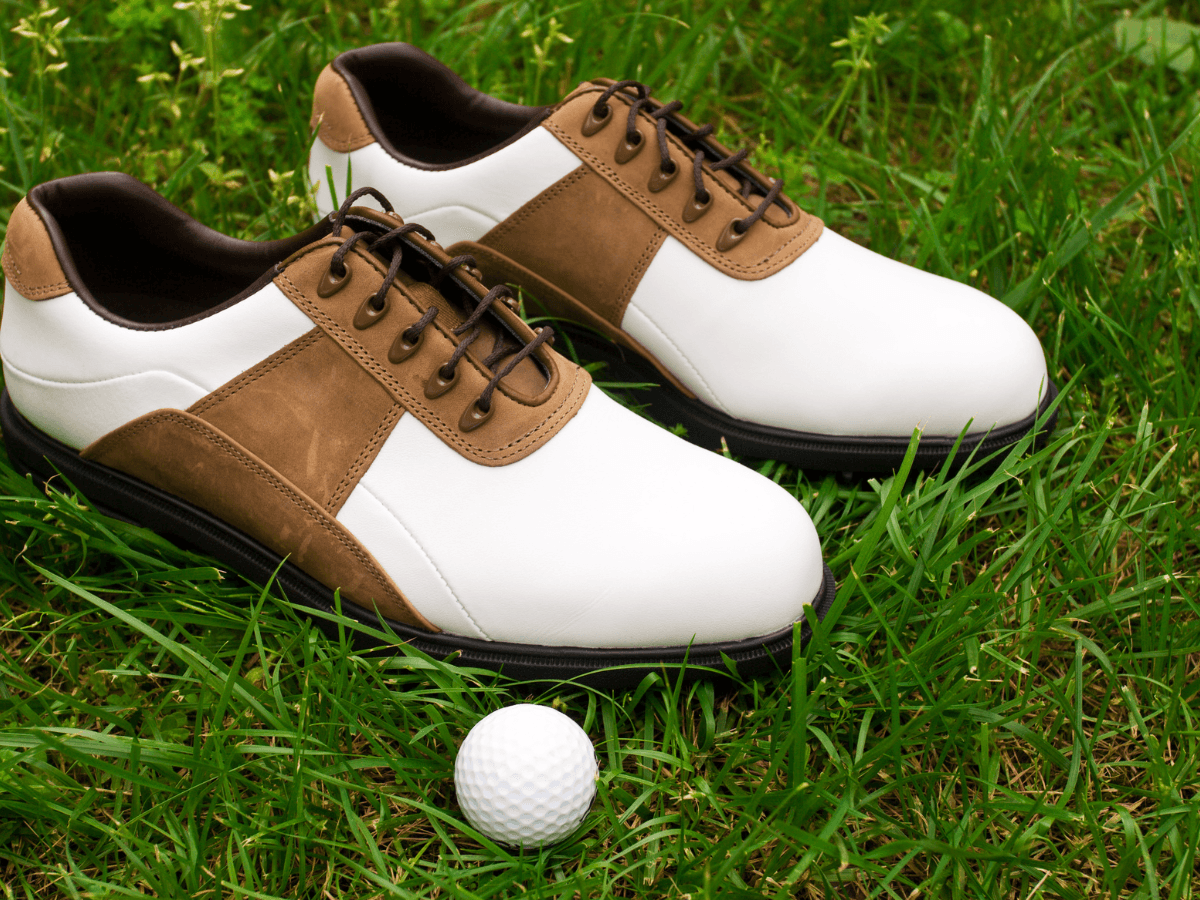
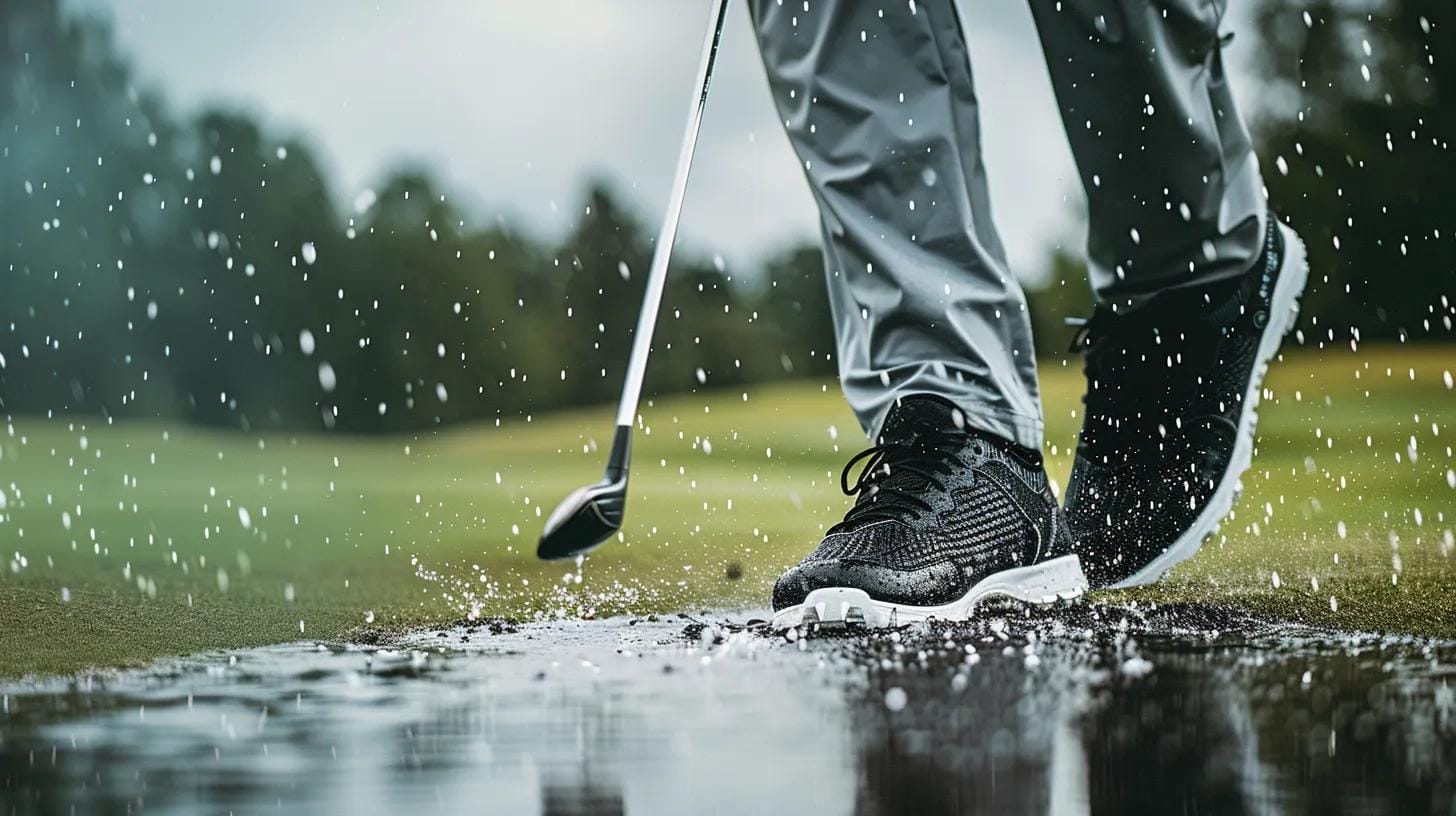
Morning dew, unexpected rain, and soggy rough can turn an otherwise great round into an uncomfortable one when moisture finds its way into your shoes. Wet feet are more than distracting. They can contribute to slipping, irritation, and discomfort that follows you for the rest of the course.
Quality waterproof golf shoes are designed to keep moisture out while still providing the traction, stability, and flexibility needed through every swing.
But waterproofing technologies, materials, warranties, and breathability can vary considerably between pairs, making it worth looking beyond appearance when shopping.
Understanding the benefits of waterproof golf shoes and the features that separate different options can help you choose footwear that keeps you comfortable, confident, and prepared when course conditions are anything but dry.
How Waterproof Golf Shoes Keep You Comfortable on the Course
What Are Waterproof Golf Shoes and How Do They Work?
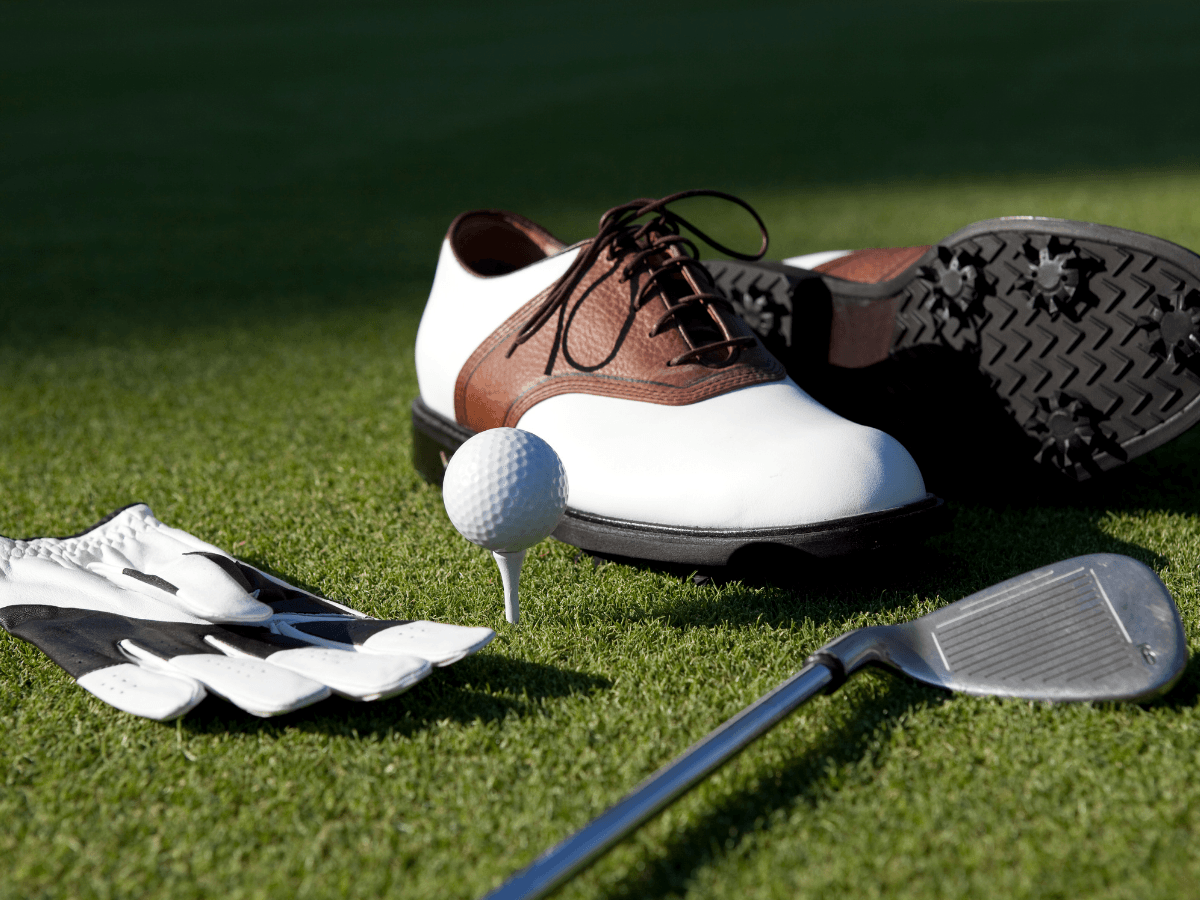
Waterproof golf shoes are designed to limit water from reaching your feet when you play through morning dew, wet turf, light rain, or other damp course conditions.
Unlike ordinary golf shoes that may absorb moisture through the upper or stitching, waterproof models use protective materials and construction methods intended to create a more effective barrier between your feet and the elements.
That protection can be especially useful for golfers who play early rounds, walk frequently through wet rough, or live in areas where course conditions change quickly.
However, waterproofing is only one part of a good golf shoe. Fit, traction, cushioning, breathability, and weight still determine how comfortable and stable the shoe feels over 18 holes.
How Waterproof Golf Shoes Keep Moisture Out
There is no single material that makes every golf shoe waterproof. Manufacturers typically rely on a combination of components.
A waterproof or water-blocking layer may be incorporated into the upper to prevent moisture from passing through the shoe. Depending on the design, seams and other vulnerable areas may also receive additional protection because stitching can create potential entry points for water.
The outer material matters as well. Leather, synthetic materials, and engineered fabrics can all be used in waterproof footwear, but their performance depends on how they are treated and constructed. Some shoes also have a water-repellent surface finish that encourages droplets to bead and roll away rather than immediately soaking into the upper.
These layers work together rather than independently. That is why two shoes made from similar-looking materials can perform very differently in wet conditions.
Golfers comparing these features alongside fit, cushioning, and traction can use the broader golf shoe buying guide to evaluate the shoe as a complete piece of performance equipment rather than focusing on waterproofing alone.
Waterproof and Water-Resistant Shoes Are Not the Same
The distinction between waterproof and water-resistant is important when shopping for golf footwear.
Water-resistant shoes are designed to handle limited moisture, such as light dew or brief exposure to damp grass. They may use treated uppers or materials that slow water penetration without creating a complete waterproof barrier.
Waterproof golf shoes are intended to provide a higher level of protection. Their construction is designed to prevent water from penetrating under the conditions specified by the manufacturer.
Neither description means a shoe can remain submerged indefinitely without allowing moisture inside. Water can also enter from above the collar, particularly when walking through deep puddles or playing in heavy rain.
Check the manufacturer’s description rather than assuming that phrases such as “weather-ready,” “all-weather,” or “water-repellent” mean fully waterproof.
Breathability Still Matters in a Waterproof Shoe
Keeping rain out is only half of the comfort equation. Feet naturally produce heat and moisture during several hours of walking. If a shoe blocks outside water but traps too much internal moisture, your socks can still become damp and uncomfortable.
Some waterproof constructions are designed to allow water vapor and heat to move outward while resisting liquid water from the outside. The effectiveness varies by material, construction, temperature, and activity level.
Golfers who walk most of their rounds may place more emphasis on breathability and weight than players who usually ride in a cart. For that reason, the best waterproof shoe is not necessarily the one with the heaviest or most substantial construction.
The balance between waterproof protection and walking comfort becomes particularly important when choosing golf shoes for walking the course, where cushioning, flexibility, ventilation, and overall weight affect comfort across thousands of steps.
Waterproofing Does Not Replace Good Traction
Waterproofing helps keep your feet dry, but it does not automatically make a shoe safer or more stable on wet turf.
Grip comes primarily from the outsole and traction system. Spikes, molded lugs, tread patterns, and rubber compounds all influence how securely the shoe interacts with the ground.
This distinction matters because wet conditions create two separate problems: moisture can enter the shoe, and the ground can become slippery.
A well-designed pair of waterproof golf shoes should address both issues. The upper manages moisture, while the outsole provides the grip needed for walking, shifting weight, and maintaining a stable stance during the swing.
Golfers who regularly play wet or soft courses should therefore evaluate waterproof protection and traction together rather than treating one as a substitute for the other.
What Should You Expect From Waterproof Golf Shoes?
Waterproof golf shoes are most valuable when your normal playing conditions regularly expose your feet to moisture. Early-morning dew alone can soak through an ordinary pair during a full round, even when rain never falls.
Before buying, check how the manufacturer describes the waterproof construction and whether the shoe carries a waterproof warranty. Warranty terms can vary considerably, so look at how long the coverage lasts and what conditions or defects are included.
Also consider how the shoe fits and feels. Waterproof technology cannot compensate for heel slippage, cramped toes, inadequate cushioning, or an outsole that does not suit your usual course conditions.
For golfers who frequently encounter wet grass and unpredictable weather, waterproof golf shoes can provide useful protection without requiring a completely different type of footwear.
The goal is not simply to find a shoe that keeps water out. It is to find one that balances weather protection with the comfort, traction, and stability needed throughout the round.
What Are the Benefits of Waterproof Golf Shoes in Wet Conditions?

The biggest advantage of waterproof golf shoes is straightforward: they help keep outside moisture from reaching your feet when the course is wet. That can make a meaningful difference during early-morning rounds, after rainfall, or when walking through damp rough for several hours.
Dry feet alone will not improve your swing, but they can remove an unnecessary distraction. The larger performance benefit comes from combining waterproof construction with appropriate traction, a secure fit, and enough cushioning for the way you play.
Dry Feet Can Make a Wet Round More Comfortable
A course does not need to be soaked for ordinary shoes to become uncomfortable. Morning dew can saturate grass even under clear skies. Walking from tee box to fairway and through rough repeatedly exposes the shoe upper to moisture, and once socks become wet, the rest of the round can feel considerably less comfortable.
Waterproof golf shoes create an additional barrier against that moisture. For golfers who walk instead of ride, that protection becomes especially useful because their footwear spends more time in direct contact with wet turf.
The shoes still need to breathe effectively. Waterproof protection that traps too much heat or perspiration inside can simply replace one source of moisture with another, so breathability should remain part of the buying decision.
Traction Matters More When the Turf Is Wet
Wet grass changes how much grip golfers can expect from the ground.
During a swing, your feet must remain stable while your body rotates and weight shifts. Walking up slopes, through rough, or across soft ground also places different demands on the outsole than walking on dry, firm turf.
This is where the distinction between waterproofing and traction matters. Waterproof materials help keep moisture outside the shoe. The outsole is what creates grip.
Spiked shoes typically use removable or fixed cleats that penetrate the turf, while spikeless designs rely on molded lugs and tread patterns. Either style can work, but course conditions and outsole design influence how much grip you actually get.
Preparing for golf in rainy weather therefore involves more than choosing waterproof footwear. Gloves, outerwear, towels, bag protection, and traction all become part of managing a wet round.
A Stable Shoe Can Help You Trust Your Footing
Golfers often associate traction directly with better shots, but that connection should be described carefully. A golf shoe cannot guarantee more accurate ball striking. What reliable traction can do is provide a more secure base, reducing the need to consciously protect against slipping when the ground is wet.
That matters during the backswing, transition, and follow-through, when forces are moving through the feet and into the ground.
Poor footing can make golfers shorten a swing, alter their stance, or become hesitant about committing to the movement. A shoe that feels secure allows the golfer to focus on the shot rather than wondering whether one foot is about to slide.
Waterproof golf shoes with suitable wet-weather traction address both sides of the problem: the upper helps manage external moisture, while the outsole handles contact with the turf.
Waterproofing Does Not Automatically Mean Better Durability
One claim worth avoiding is that waterproof shoes inherently last longer than non-waterproof models.
Durability depends on much more than the waterproof layer. Upper materials, outsole construction, stitching, adhesives, frequency of use, storage, cleaning habits, and the surfaces a golfer walks across all affect the lifespan of footwear.
Wet and muddy conditions can also accelerate wear when shoes are repeatedly stored dirty or damp.
After a wet round, remove loose grass and mud, allow the shoes to dry naturally, and clean the outsole so debris does not remain packed around the traction elements. A small brush or cloth can make routine golf shoe and equipment care easier, particularly after playing on soft or muddy courses.
Avoid placing wet shoes directly against intense heat unless the manufacturer specifically allows it. Excessive heat can damage certain adhesives, finishes, and synthetic components.
Comfort Depends on More Than Staying Dry
A waterproof shoe still needs to fit properly. Heel movement, cramped toes, poor arch support, excessive stiffness, or inadequate cushioning can become uncomfortable long before waterproof performance matters.
Walking golfers should pay particular attention to how the shoe flexes and how the cushioning feels after prolonged use. Players who normally ride may care more about lateral stability during the swing than long-distance walking comfort.
Socks also affect the experience. Moisture-managing golf socks can help deal with perspiration inside the shoe, which is different from the external water that waterproof construction is intended to block.
Waterproof Golf Shoes Are Most Valuable for Golfers Who Regularly Face Moisture
Not everyone needs the same level of weather protection. A golfer who mostly plays in dry climates may prioritize lightweight construction and ventilation.
Someone who routinely tees off early, plays through unpredictable weather, or encounters soft and damp courses has a stronger reason to invest in waterproof footwear.
Think about the conditions you actually play in rather than buying based on a feature list. For regular wet-weather golf, waterproof golf shoes can be worthwhile because they address one persistent problem: keeping external moisture away from your feet.
Pair that protection with dependable traction, good fit, appropriate cushioning, and sensible shoe care, and the footwear is far more likely to remain comfortable and useful throughout the round.
How to Choose Affordable Waterproof Golf Shoes for Men
Affordable waterproof golf shoes do not have to mean settling for poor traction, uncomfortable construction, or minimal weather protection. The better approach is to decide which features matter most for the conditions you actually play in, then compare shoes within a realistic budget.
Fixed product rankings and prices become outdated quickly, so value is better judged by waterproof coverage, fit, traction, warranty terms, and expected use. A discounted premium model may also offer better value than a newly released budget shoe if the fit and features are right.
Start With Waterproof Protection, Not the Lowest Price
A low price means little if the shoe cannot handle the conditions you bought it for.
Check whether a model is described as waterproof or merely water-resistant. Water-resistant footwear may be adequate for occasional dew or light moisture, while golfers who regularly play through rain and saturated turf may benefit from more complete waterproof construction.
Also look for a waterproof warranty when comparing models. The presence of a warranty does not automatically make one shoe better, but the terms can tell you more about the manufacturer’s intended level of protection.
Check the coverage period, exclusions, and claim requirements rather than assuming every waterproof label offers the same protection. Golfers preparing for frequent wet rounds should consider footwear as part of their broader golf rain gear rather than relying on shoes alone to manage bad weather.
Compare the Features That Affect Everyday Value
For most golfers, an affordable shoe still needs to perform well in four areas:
| Feature | Why It Matters |
|---|---|
| Waterproofing | Helps prevent rain, dew, and wet turf from soaking through the upper |
| Traction | Provides grip on damp grass and during weight transfer in the swing |
| Fit | Reduces unwanted movement, pressure points, and discomfort |
| Cushioning | Makes prolonged standing and walking more comfortable |
Breathability is worth considering too, especially in warmer climates. A heavily protected shoe that becomes hot and clammy after a few holes may not represent good value simply because it keeps rain out.
The best affordable waterproof golf shoes balance these features instead of concentrating on one headline specification.
Decide Between Spiked and Spikeless Shoes
Price alone should not determine whether you choose a spiked or spikeless model. Spiked golf shoes use cleats or similar traction elements designed to grip the turf. They can be appealing to golfers who regularly play on soft, wet, or hilly courses and want more aggressive traction.
Spikeless shoes use molded tread patterns and lugs rather than traditional cleats. They tend to have a more casual appearance and may be convenient for golfers who want footwear they can wear beyond the course.
Neither design is automatically superior. Look at the outsole pattern, the conditions you encounter most often, and how much walking you do.
Remember that waterproofing and traction are separate features. A waterproof upper will not compensate for an outsole that provides inadequate grip on the surfaces where you play.
Prioritize Fit Over Brand or Discount Size
A heavily discounted shoe is not a bargain if it does not fit correctly. Try golf shoes with the type of socks you normally wear on the course. There should be enough room for your toes without excessive movement at the front of the shoe, while the heel should feel secure rather than lifting noticeably with each step.
Pay attention to width as well. Golf shoe sizing can vary between brands and even between models from the same manufacturer. If you buy online, check the retailer’s sizing information and return policy before ordering. A lower online price loses much of its appeal if exchanging an unsuitable size is difficult or expensive.
Look Beyond the Current Year’s Models
Golf footwear changes seasonally, but newer does not automatically mean better for your needs.
Previous-generation shoes are often discounted when brands release updated designs or colorways. If the older model still provides the waterproof protection, fit, traction, and cushioning you need, it can be a practical way to reduce the purchase price without moving into low-quality footwear.
Less popular colors can also be discounted more heavily than neutral options.
This is one reason rigid “best affordable shoes” lists can be misleading. Availability, sales, sizes, and prices change constantly. Instead of chasing a particular model because it appeared on a list, compare the specifications of whatever is actually available when you are ready to buy.
Consider Cost Per Use, Not Just Purchase Price
Someone who plays twice a month has different footwear needs from a golfer who is on the course several times each week.
If wet conditions are common where you play, spending slightly more on a well-fitting waterproof pair may make more sense than buying the cheapest available option and rarely feeling comfortable in it. For occasional golfers in predominantly dry conditions, extensive wet-weather protection may be less important.
Also consider whether the outsole uses replaceable cleats, how easily the upper can be cleaned, and whether the shoe suits multiple course conditions. These details influence how practical the purchase remains after the initial sale.
Buy the Shoe That Fits Your Game and Budget
There is no single price point that defines good-value waterproof golf shoes. For one golfer, value may mean a lightweight spikeless shoe found during an end-of-season sale. For another, it may mean paying more for a spiked model with the grip needed on regularly wet courses.
The strongest buying decision comes from setting a budget first, identifying the features you actually need, and then comparing models on those terms.
Affordable waterproof golf shoes should still fit securely, provide suitable traction, offer the level of weather protection you expect, and remain comfortable for the way you play.
That approach is more useful than choosing a shoe simply because it is inexpensive, heavily discounted, or included on a dated list of recommended models.
How Should You Clean and Maintain Waterproof Golf Shoes?
Waterproof golf shoes still need regular care to keep the upper, outsole, seams, and other components in good condition. Mud, grass, sand, and moisture can collect on the shoe during a round, particularly when the course is soft or wet.
The goal is not to scrub or reproof the shoes constantly. A simple routine of cleaning, thorough drying, periodic inspection, and material-appropriate care is usually more useful than aggressive maintenance that can damage the footwear.
Remove Mud and Grass Before It Hardens
Cleaning is easiest shortly after the round, before mud has dried into the tread or around seams.
Start by knocking off loose dirt and grass. A soft brush can help clear the outsole, especially around spikes, lugs, and recessed tread patterns. Wipe the upper with a damp cloth or soft brush appropriate for the material.
For heavier dirt, follow the manufacturer’s cleaning instructions. Leather, synthetic uppers, mesh, and coated materials can require different products, so avoid assuming that a cleaner designed for one type of footwear is suitable for another.
Pay particular attention to areas where dirt tends to collect, including:
- Around the outsole edge
- Between traction elements
- Near stitching and seams
- Around the tongue and laces
- Along folds in the upper
Removing buildup also makes it easier to inspect the shoe for wear that might otherwise be hidden beneath dried mud.
Let Wet Shoes Dry Naturally
Drying waterproof golf shoes correctly is just as important as cleaning them. After a wet round, loosen the laces and open the shoe as much as practical so air can circulate inside. If the insoles are removable and the manufacturer allows it, taking them out can help the interior dry more thoroughly.
Leave the shoes in a well-ventilated area at room temperature.
Avoid placing them directly on a radiator, beside a heater, or against another intense heat source. High temperatures can affect adhesives, finishes, leather, and some synthetic materials. Direct heat may make the shoes feel dry sooner while creating longer-term problems elsewhere in the construction.
Do not put damp shoes straight into a closed golf bag, locker, or car trunk either. Trapped moisture can contribute to odor and gives the interior much less opportunity to dry between rounds.
Reapply Water-Repellent Treatments Only When Appropriate
A waterproof membrane and a water-repellent surface treatment are not the same thing. Many shoes use an outer finish that helps water bead on the surface rather than immediately soaking into the upper. That finish can gradually become less effective through wear and cleaning.
If water stops beading as readily, a compatible treatment may help restore surface repellency. First check the shoe manufacturer’s care instructions.
Waterproof sprays and conditioners are not universally interchangeable, and an unsuitable product can discolor the upper, affect breathability, or interfere with an existing finish.
Clean the shoe before applying a treatment. Coating mud or residue with a waterproofing spray does not restore the underlying surface properly.
Waterproof golf shoes with leather uppers may also require a suitable leather-care product to prevent the material from becoming excessively dry. Again, the product should be compatible with that particular shoe.
Inspect the Outsole and Traction System
Maintenance is not limited to waterproofing. Check the soles periodically for excessive wear, embedded debris, separating edges, or damaged traction elements. If the shoes use replaceable spikes, inspect them for wear and make sure none are missing or excessively loose.
Cleaning mud from the tread after a wet round helps preserve the outsole’s ability to make proper contact with the turf. Dried debris packed into the traction pattern can reduce how effectively the design works the next time you play.
This is also a useful time to look over the upper for cracked material, lifting seams, or other visible damage.
Store Golf Shoes Clean and Completely Dry
Once your shoes are clean and dry, store them somewhere cool with reasonable airflow. Avoid leaving them permanently in the trunk of a vehicle, where temperatures can become very high. A damp, closed golf bag is also a poor long-term storage location.
If you want to help the shoes retain their shape, use a suitable shoe tree or loosely stuff the toe area with absorbent paper while they finish drying. Do not pack the shoe so tightly that the upper is stretched.
For golfers who play several times a week, rotating between two pairs can also give each pair more time to dry completely before its next round.
Know When Waterproof Performance Has Changed
Good maintenance can support the condition of waterproof golf shoes, but it cannot reverse every form of wear.
If your feet repeatedly become wet despite proper cleaning and drying, first rule out simple causes such as water entering over the collar or moisture from perspiration. If the upper itself appears to be leaking, inspect the shoe for cracks, damaged seams, separation, or worn materials.
Reapplying a surface treatment may restore water beading, but it will not repair a damaged waterproof membrane or structural failure.
If the shoes are covered by a waterproof warranty, check the manufacturer’s terms before attempting repairs that could affect eligibility.
A consistent maintenance routine does not need to be complicated. Clean dirt before it hardens, dry shoes naturally, use care products suited to the material, inspect the traction system, and store the shoes only after they are fully dry.
Those habits help waterproof golf shoes remain comfortable, functional, and ready for the next wet round.
Conclusion
Waterproof golf shoes can make a noticeable difference when you’re playing through morning dew, wet fairways, or unpredictable weather.
Beyond helping keep your feet dry, the right pair should provide dependable traction, support, breathability, and all-day comfort without restricting your movement through the swing.
Comparing waterproof construction, fit, sole design, and overall durability can help you choose shoes that perform well in changing course conditions.
For golf footwear and apparel designed with both performance and style in mind, choose Golf Shot Apparel. If you’re ready to upgrade your golf gear for greater comfort and confidence on the course, call 888-950-9515 to learn more or shop Golf Shot Apparel today.