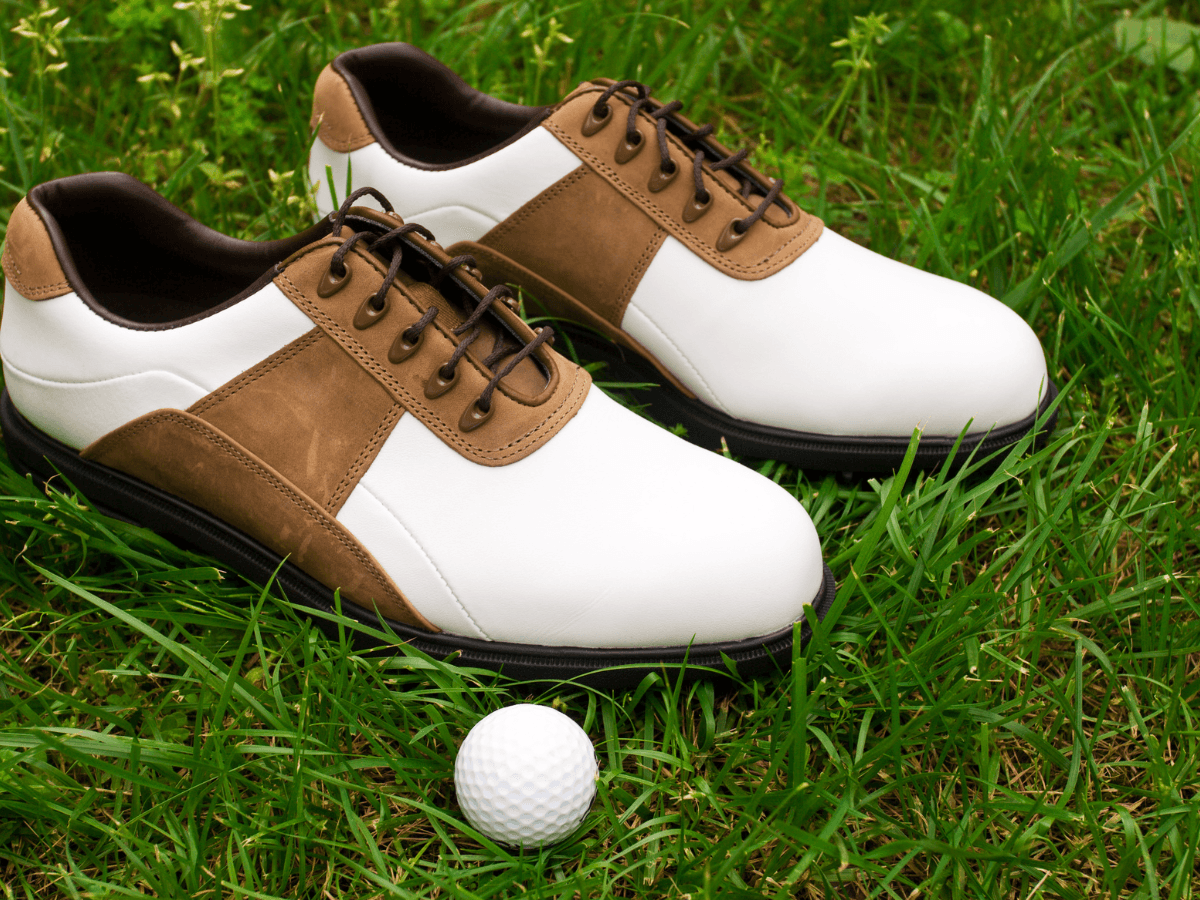
Golf shoes don’t need a premium price tag to keep you comfortable through 18 holes. What matters is whether they provide the cushioning, stability, traction, and fit needed for hours of walking and a swing that repeatedly shifts pressure through your feet.
The best affordable golf shoes for men focus on those fundamentals without charging extra for features you may never use. Spiked and spikeless designs, waterproofing, breathable uppers, supportive midsoles, and outsole grip can all affect performance, making it important to compare more than price alone.
Whether you walk every round, ride between shots, or need a versatile pair that works beyond the course, knowing which features deserve your money can help you find comfortable, dependable golf shoes while keeping your budget firmly under par.
Affordable Golf Shoes for Men: Features Worth Paying Attention To
What Actually Makes Golf Shoes More Expensive?

Golf shoes can range from relatively simple spikeless models to premium pairs with waterproof membranes, replaceable cleats, advanced cushioning, reinforced uppers, and highly structured soles. The price difference is not always about one feature, and a higher price does not automatically mean a better shoe for every golfer.
For shoppers comparing affordable golf shoes for men, the more useful question is not “Why is this pair cheap?” but “Which features am I actually paying for, and do I need them?”
A golfer who rides most rounds in dry weather may have very different priorities from someone who walks 18 holes on wet, hilly courses every weekend.
Materials and Construction Affect the Price
One of the biggest cost differences comes from how the shoe is built. Golf shoes may use synthetic leather, natural leather, engineered mesh, waterproof laminates, molded support pieces, or combinations of several materials.
More complex construction can increase manufacturing costs, particularly when the shoe includes sealed seams, structured heel support, or additional layers designed for wet conditions.
That does not mean a simpler shoe is poorly made. Lightweight synthetic or mesh designs may actually suit golfers who prioritize breathability and flexibility over waterproofing. Instead of judging quality by price alone, look at the construction that matters for the way you play.
Waterproofing Can Add Cost, but Not Everyone Needs It
Waterproof construction is valuable for golfers who regularly play in morning dew, rain, or consistently wet conditions. Keeping socks dry over several hours can make a noticeable difference in comfort.
The tradeoff is that waterproof shoes often use additional membranes, treatments, or seam construction that can increase cost and sometimes reduce breathability.
If you mostly play in dry weather, you may get better value from a breathable shoe without premium waterproofing. If wet courses are common, paying more for proven water resistance may make sense.
The broader golf shoe buying factors include fit, traction, cushioning, and weather protection rather than price alone.
Spiked and Spikeless Shoes Are Priced Differently for Different Reasons
Spiked golf shoes use removable or fixed cleats designed to create grip by engaging more aggressively with turf. Some models also use more structured sole plates to control movement during the swing.
Spikeless shoes rely on molded rubber lugs or traction patterns built directly into the outsole. They are often lighter and easier to wear away from the course, although traction varies considerably between designs.
Neither style is automatically more expensive or better. The important question is whether the outsole provides enough grip for the surfaces and conditions you normally play.
A golfer who frequently plays on wet slopes may value aggressive traction more than someone playing mostly firm, dry courses.
Cushioning and Support Can Raise the Price
Golfers who walk a full round spend several hours on their feet, so midsole construction matters. Some shoes use basic foam cushioning, while others use more responsive compounds, shaped footbeds, additional heel padding, or stability structures designed to reduce excessive movement inside the shoe.
Those features can increase price, but they are only valuable if they match your foot and walking needs. A shoe with expensive cushioning that does not fit properly will still be uncomfortable.
Heel slippage, pressure across the forefoot, or toes contacting the front of the shoe can become far more noticeable after several miles. If you regularly walk rather than ride, the advice on choosing golf shoes for walking the course is particularly relevant because comfort and fit become more important over a full round.
Brand Name Is Only One Part of the Price
Brand reputation can influence pricing, but it is difficult to separate branding from the other costs built into a particular shoe without manufacturer-specific information.
A well-known brand may charge more for a model that also includes premium materials, proprietary cushioning, extensive sizing, waterproof warranties, or specialized traction systems. A lesser-known shoe may offer similar basic functionality with fewer premium features.
That is why comparing shoes by logo alone does not tell you much about value. When looking at affordable golf shoes for men, compare the features you can actually evaluate:
- Fit and available widths
- Heel security
- Toe-room
- Cushioning
- Traction pattern
- Spiked or spikeless construction
- Waterproofing
- Breathability
- Weight
- Outsole durability
- Return policy
- Warranty coverage
These details matter more than whether the shoe sits in a particular price tier.
When Is It Worth Paying More?
Spending more can make sense when the additional cost solves a real problem. A golfer who plays several times a week may place more value on durable construction and replaceable traction. Someone who walks every round may prioritize cushioning and support.
Golfers who regularly play wet morning rounds may consider waterproofing essential rather than optional. Occasional players may not need all of those features.
Which Golf Shoe Style Offers the Best Value on the Course?
The best-value golf shoe is not necessarily the cheapest pair or the style with the longest feature list. Value comes from choosing a shoe that matches the conditions you actually play in, how often you walk, and how much versatility you want away from the course.
For golfers comparing affordable golf shoes for men, that usually means looking beyond price and deciding which features will genuinely improve comfort and traction. Spiked, spikeless, waterproof, and lightweight shoes each solve different problems, so the strongest choice depends on where and how you play.
Spikeless Shoes Work Well for Versatility
Spikeless golf shoes are often a practical choice for golfers who want one pair that can move easily between the course, driving range, clubhouse, and everyday errands.
Instead of removable cleats, they use molded rubber lugs or traction patterns built into the outsole. That makes them easier to wear on hard surfaces and can give them a more casual, sneaker-like feel.
They are particularly appealing for golfers who:
- Play mostly on firm or moderately dry courses
- Walk frequently
- Prefer lighter footwear
- Want shoes that can be worn before and after a round
- Do not need maximum traction in wet or steep conditions
Modern spikeless designs can provide strong grip, but traction varies significantly between models. A shallow casual tread will behave differently from a more aggressive outsole designed specifically for golf.
Spiked Shoes Can Be Worth It for Extra Grip
Spiked golf shoes remain useful when traction is the priority. Replaceable or molded cleats can provide additional grip on wet turf, slopes, and uneven lies, particularly for golfers who generate more force through the ground during the swing.
They may also appeal to players who prefer a more structured or traditional golf-shoe feel. The tradeoff is versatility. Spiked shoes are generally less convenient on pavement, inside clubhouses, or for wearing away from the course.
GolfShot Apparel’s coverage of golf footwear for different playing conditions similarly distinguishes wet-weather traction from the lighter, more breathable options that may suit firm, dry courses better.
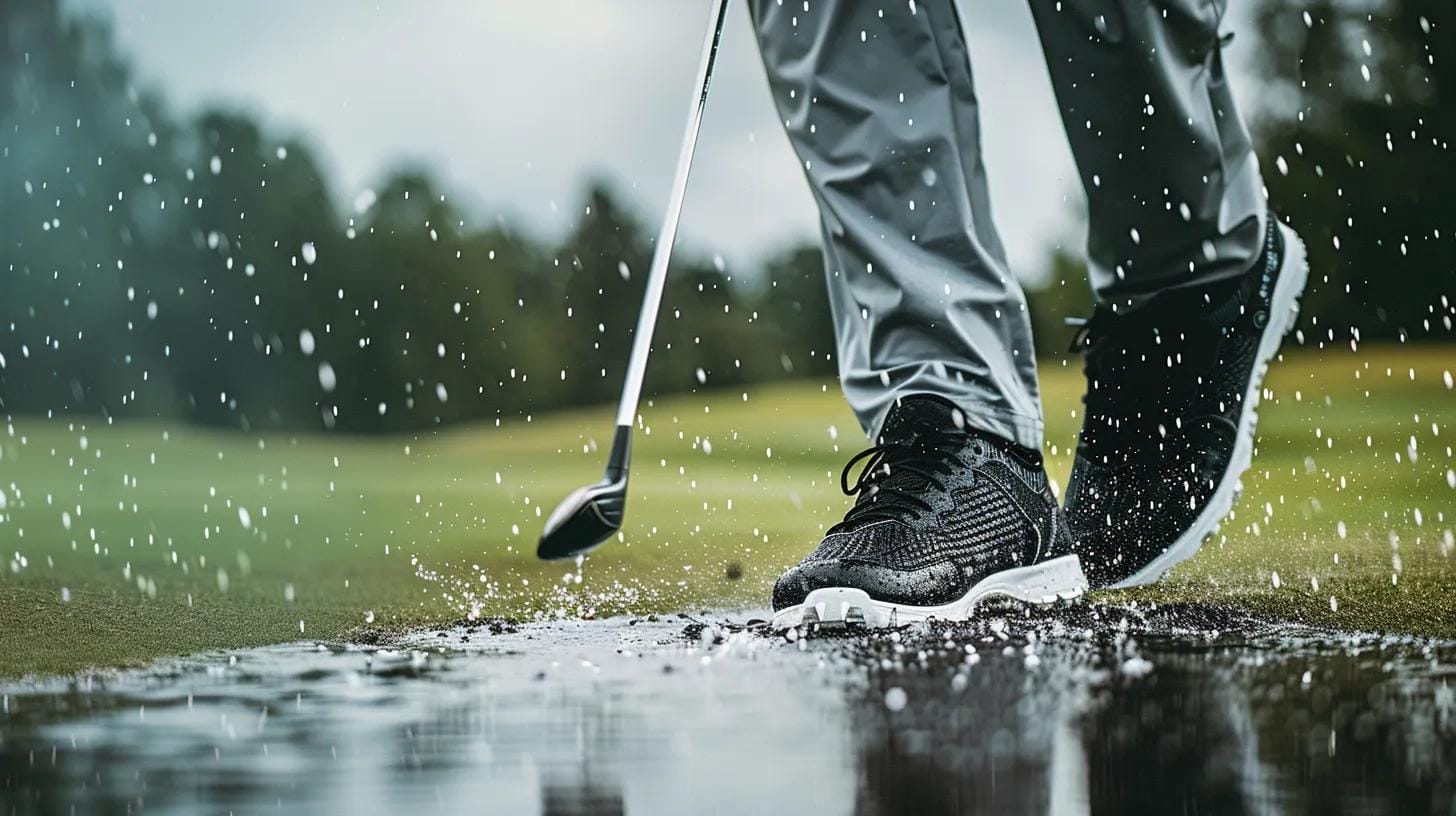
Waterproof Shoes Make More Sense for Wet Conditions
Waterproofing can be one of the more worthwhile upgrades if you frequently play early-morning rounds, wet courses, or in unpredictable weather.
Morning dew alone can soak through some lightweight uppers over 18 holes. Waterproof membranes, treated uppers, and sealed construction can help keep moisture out, although they may add weight or reduce airflow compared with highly breathable mesh designs.
If you rarely play in wet conditions, premium waterproof construction may not provide much additional value. If you regularly walk damp fairways, it may be one of the features worth prioritizing.
The same principle applies to tournament and weather-specific footwear choices. Shoes with reliable grip and water protection are more useful when damp turf is expected, while spikeless options may offer greater versatility in drier conditions.
Lightweight Shoes Are Better for Some Walking Golfers
Weight becomes more noticeable when you walk 18 holes. Lightweight shoes can reduce the feeling of heaviness over several miles, particularly in warm weather. Breathable uppers may also improve comfort when heat is a bigger concern than rain.
However, lightweight should not mean unstable. Look for enough heel structure, midfoot support, and outsole grip to keep the foot secure through the swing. A shoe that feels impressively light in your hand may still be poor value if your heel slips, your toes feel cramped, or the sole flexes more than you prefer.
Match the Shoe to the Course Instead of Using One Rule
A simple comparison is more useful than labeling one style as universally better:
| Playing Condition | Features Worth Prioritizing |
|---|---|
| Wet or muddy turf | Waterproofing and strong traction |
| Firm, dry fairways | Spikeless grip and breathability |
| Hilly or uneven courses | Stable outsole and secure traction |
| Hot-weather walking | Lightweight construction and airflow |
| Course-to-clubhouse use | Versatile spikeless design |
| Frequent wet-weather play | Waterproof upper plus dependable grip |
Course conditions can change during the same round, so these categories should be treated as priorities rather than rigid rules.
How Much Should You Spend on Golf Shoes?
There is no reliable price point that guarantees good performance. A better way to compare affordable golf shoes for men is to decide which features are essential before looking at prices. If waterproofing, aggressive traction, or premium cushioning will rarely be used, paying extra for them may offer little benefit.
When comparing discounted shoes, check whether the lower price reflects an older colorway, discontinued model, seasonal sale, or genuinely simpler construction. A markdown can represent excellent value, but the original list price alone does not prove quality.
Also review return policies and sizing carefully. A heavily discounted shoe that cannot be returned may be a worse buy than a slightly more expensive option you can actually try for fit.
Focus on Cost per Use, Not Just the Sticker Price
The cheapest pair is not always the most affordable over time. A golfer who plays twice a month may be perfectly satisfied with a simpler spikeless shoe. Someone who walks several rounds every week may get better value from spending more on fit, cushioning, traction, and durability.
Golf footwear is only one part of dressing comfortably for the course, and broader men’s golf apparel essentials can help put shoe choice in context with clothing, weather protection, and accessories.
The strongest value comes from buying for your actual game. Prioritize grip if your courses are wet, breathability if you play in heat, cushioning if you walk, and versatility if you want one pair for several settings.
That is a more useful way to shop for affordable golf shoes for men than assuming any one style automatically delivers the best deal.
How Should Affordable Golf Shoes Fit Into Your Golf Look?
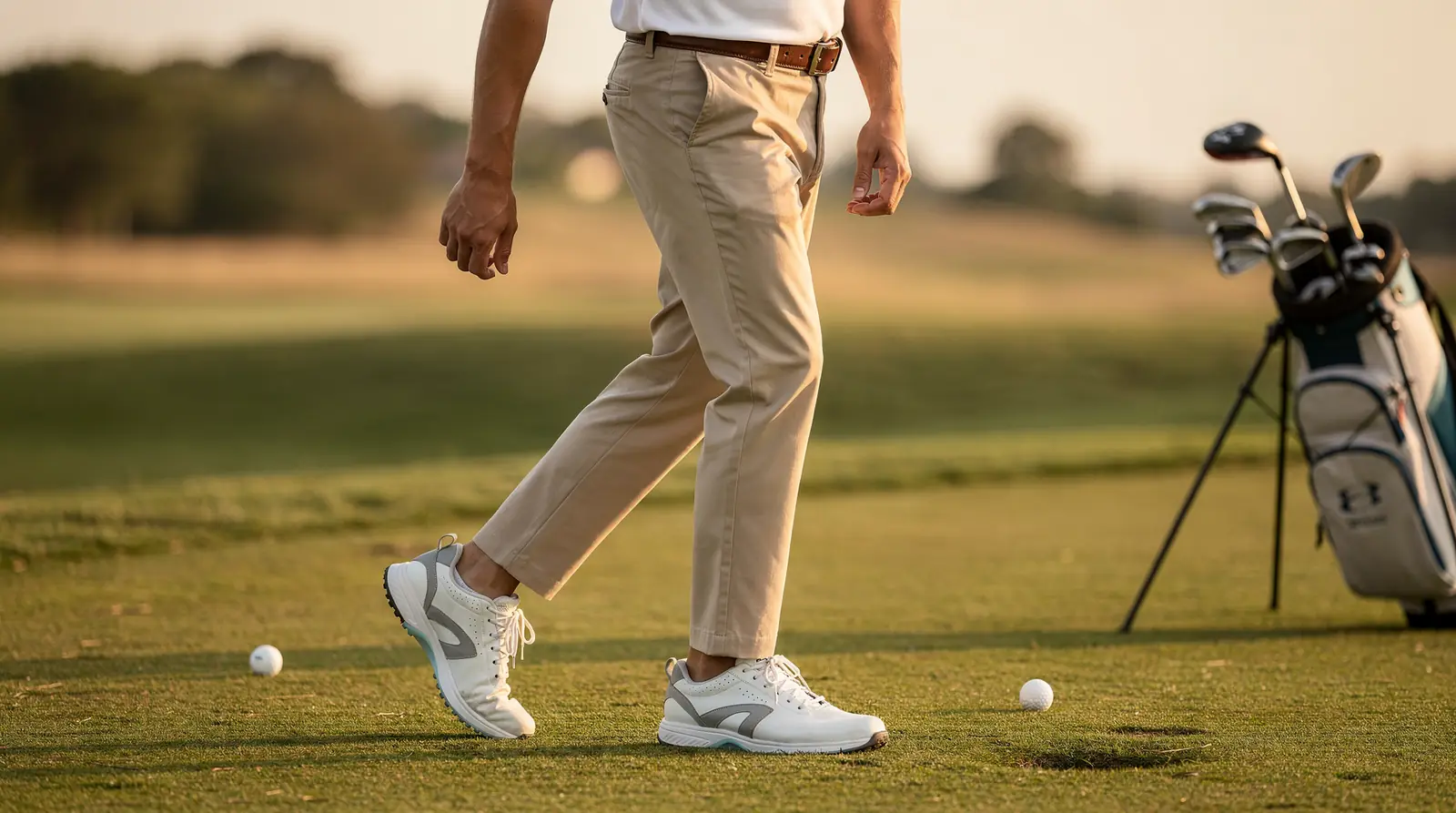
Golf shoes do more than provide traction. They also influence how polished the rest of an outfit feels, especially when the clothing already has a clean, tailored fit.
That does not mean shoes need to match every color in a polo or hat. In most cases, coordination works better than exact matching. The best affordable golf shoes for men should support the round first, then fit naturally into the wardrobe you already wear on the course.
Start With a Versatile Base Color
Neutral footwear is the easiest place to start because it works across more outfits. White, gray, black, navy, and combinations of those shades can pair comfortably with most golf shorts, trousers, polos, and outer layers.
A simple shoe also gives you more freedom to wear patterned shirts or brighter colors without making the outfit feel overly busy. White golf shoes tend to create a crisp, traditional look, while darker shades can feel more understated and may show dirt less readily.
Gray often sits between the two and works particularly well with navy, black, khaki, and muted colors. If you are buying one pair rather than building a golf-shoe rotation, versatility usually provides better value than choosing a highly specific colorway that only works with a few outfits.
Let One Part of the Outfit Carry the Visual Interest
Golf outfits often look more intentional when one element does most of the visual work.
If you are wearing a bold patterned polo, bright hat, or colorful outer layer, simpler shoes can keep the outfit balanced. If the clothing is mostly neutral, shoes with a contrasting sole, subtle accent color, or more athletic silhouette can add interest without becoming distracting.
GolfShot Apparel’s advice on layering golf apparel follows a similar principle: versatile colors are easier to combine, while one stronger piece can provide the statement rather than having every part of the outfit compete for attention.
The same approach works with footwear. Think of the shoe as part of the complete outfit rather than a separate accessory that needs its own moment.
Match the Shoe Shape to the Rest of the Outfit
Color is only one part of coordination. Shape matters too. A streamlined spikeless shoe with a sneaker-like profile tends to work naturally with modern polos, tapered golf pants, and athletic shorts. More structured or traditional golf shoes can complement classic trousers, conservative polos, and tournament-style outfits.
Neither look is inherently better. The goal is consistency. A very bulky athletic shoe may feel visually heavy with slim, tailored clothing, while an extremely traditional leather-style shoe can look formal beside highly technical or athleisure-inspired apparel.
Paying attention to proportion helps affordable golf shoes for men look more intentional even when the shoes themselves are simple.
Consider the Season When Building the Outfit
Your shoe choice should also make sense with the rest of what you are wearing for the weather.
Hot-weather outfits usually rely on breathable polos, lightweight shorts or trousers, and minimal layering. Shoes that look equally light and athletic tend to fit that aesthetic naturally, especially when they also provide airflow and walking comfort.
GolfShot Apparel’s summer golf apparel guidance emphasizes lightweight, breathable fabrics and unrestricted movement for warm conditions. A heavy-looking shoe may still perform perfectly well, but a lighter visual profile often complements those warm-weather outfits better.
Cooler conditions allow more structure. Pullovers, vests, trousers, and darker colors can support a slightly heavier or more traditional-looking shoe without making the outfit feel unbalanced.
Do Not Sacrifice Fit for a Cleaner Look
Style should never override comfort. Golf shoes have to remain secure through the swing and comfortable over several hours. If a narrow silhouette pinches your forefoot or a low-profile heel allows your foot to slip, the fact that the shoe looks better with your trousers stops mattering quickly.
Check toe room, heel security, arch comfort, and overall width before deciding that a pair works. The shoe should also accommodate the socks you normally wear for golf, since changing sock thickness can noticeably affect fit.
Affordable does not have to mean compromising here. A simple shoe that fits properly and works with several outfits may offer better value than a more stylish pair you avoid wearing because it becomes uncomfortable halfway through a round.
Keep Course Dress Expectations in Mind
Some courses and clubs have dress standards, particularly for tournaments or more formal settings. Footwear rules are usually less restrictive than shirt or trouser requirements, but it is still worth checking before playing somewhere unfamiliar.
Extremely casual athletic shoes may be acceptable at one course and look out of place at another. A clean golf-specific design in a neutral color is generally easier to adapt across casual rounds, leagues, outings, and more traditional settings.
This is another reason versatility matters when shopping on a budget. A pair that works in several golf environments gives you more use than footwear chosen around one particular outfit.
Build Around What You Already Own
You do not need to redesign your golf wardrobe around a new pair of shoes. Look at the colors you already wear most often. If your closet is dominated by navy, gray, white, khaki, and black, choose footwear that works across that palette.
If you wear more color and pattern, keep the shoe relatively restrained unless you intentionally want it to become part of the statement.
GolfShot Apparel describes its own clothing around comfort, affordability, and looking appropriate both on and off the course, which is a useful principle for building a versatile golf wardrobe even though the company does not currently position itself as a golf-shoe retailer.
The best affordable golf shoes for men should therefore do three things at once: fit properly, suit the course conditions, and work with more than one outfit. When those needs are covered, the shoe feels like part of the wardrobe rather than an afterthought.
How Do You Choose the Right Fit in Affordable Golf Shoes?
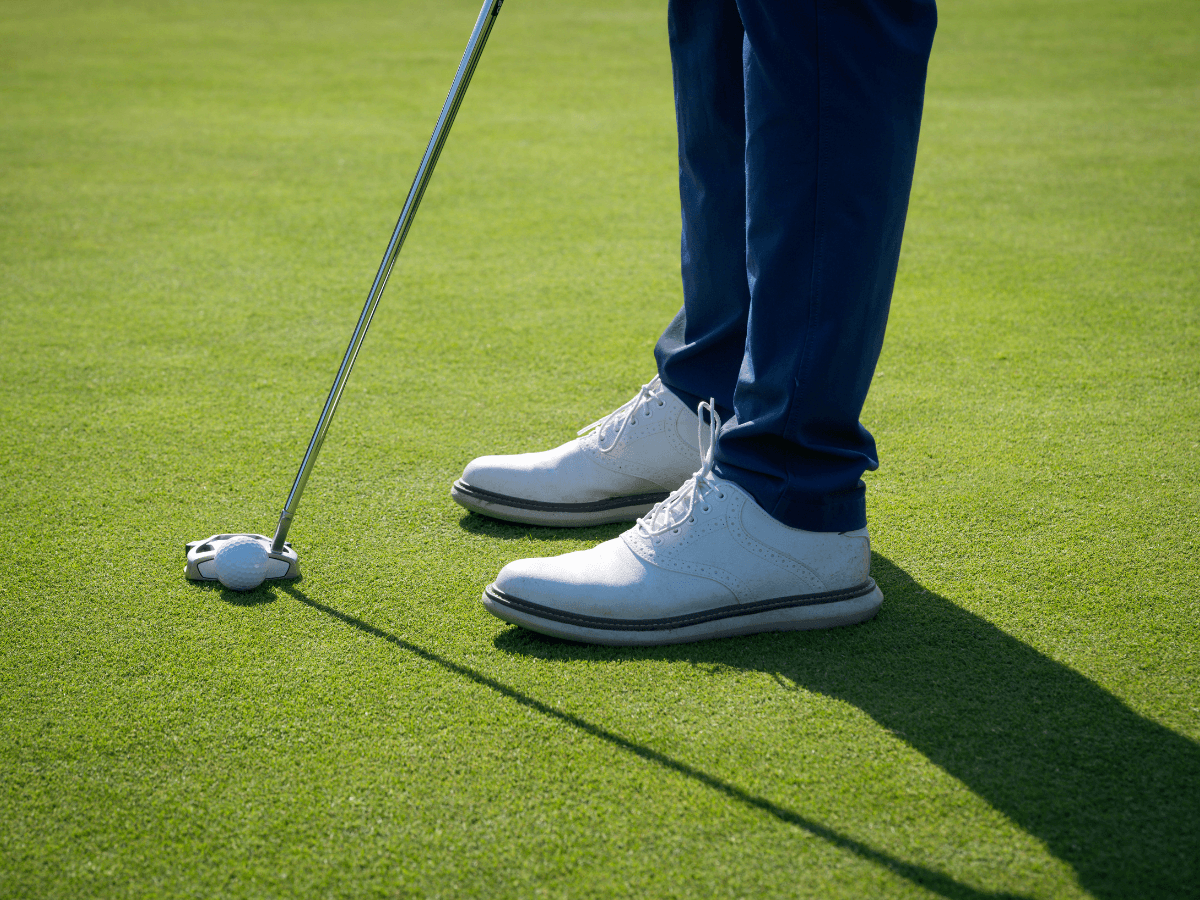
Price and features matter, but fit determines whether a golf shoe is actually worth buying. A discounted pair that slips at the heel, pinches the forefoot, or becomes uncomfortable after nine holes is not good value simply because it cost less.
That makes fit one of the most important considerations when comparing affordable golf shoes for men, particularly online. Golfers should look beyond the size printed on the box and consider foot width, toe room, heel security, sock thickness, and how the shoe feels while walking and rotating through a swing.
Do Not Assume Your Usual Shoe Size Will Transfer Perfectly
Sizing can vary between brands and even between models from the same manufacturer. A golfer who normally wears a size 10 in running shoes may find that a particular golf shoe fits better in a different size or width.
If the manufacturer provides a size chart, use it rather than relying entirely on your usual sneaker size. Measuring both feet can also help because one foot may be slightly larger than the other. When there is a difference, fit the larger foot comfortably rather than forcing it into a shoe that is too short or narrow.
Check the Toe Box and Heel Separately
A golf shoe should feel secure without squeezing the foot. Your toes need enough room to move naturally, especially because feet can expand slightly over the course of several hours. At the same time, excessive space at the front can allow the foot to slide inside the shoe.
Heel fit matters just as much. A small amount of movement may be normal depending on the design, but repeated lifting or rubbing can become uncomfortable once you begin walking longer distances. The goal is a shoe that holds the heel and midfoot securely while leaving enough space through the forefoot and toes.
Pay Attention to Width, Not Just Length
Going up a half-size is not always the right solution for a shoe that feels tight. If the length is correct but pressure builds along the sides of the forefoot, the problem may be width rather than overall size. Choosing a wider version can provide additional space without creating unnecessary length.
This is particularly important for golfers whose feet are naturally wide or who develop pressure around the ball of the foot during long rounds.
When comparing affordable golf shoes for men, check whether the model is available in multiple widths. A lower-priced shoe with an appropriate width option may provide better value than a more expensive model that never fits correctly.
Try Golf Shoes With the Socks You Actually Wear
Sock thickness changes how a shoe fits. Trying golf shoes with thin everyday socks and then wearing them with thicker performance socks on the course can make a comfortable shoe suddenly feel restrictive. The reverse can create unwanted movement inside the shoe.
Use the same type of socks you normally wear for golf when evaluating fit. Then walk around, bend your feet, and shift your weight from side to side rather than judging the shoe while standing still. A few practice swings can also reveal whether the heel lifts or the foot slides laterally during rotation.
Walking Golfers Should Be More Selective About Comfort
Fit problems become more obvious when you walk the course. A pressure point that seems minor in the clubhouse can become irritating after several miles. Shoes that feel slightly loose may begin rubbing, while overly tight designs can become less comfortable as feet swell during the round.
Golfers who regularly walk should pay particular attention to cushioning, heel hold, forefoot space, and flexibility. Stability still matters, but the shoe should allow a natural walking motion rather than feeling stiff or restrictive from the first step.
Do not assume a painful shoe simply needs an extended break-in period. Some materials may soften with use, but a shoe that is clearly the wrong shape or size is unlikely to become a good fit later.
Review the Return Policy Before Buying a Discounted Pair
Online discounts can make golf shoes more affordable, but return restrictions can change the real value of the purchase.
Before ordering, check whether the retailer accepts returns or exchanges, how long the return window lasts, whether shoes must remain unworn outdoors, and whether sale or clearance merchandise is final sale.
If you cannot try a model locally, a flexible return policy can be more valuable than saving a few additional dollars. A slightly more expensive pair that can be exchanged for another size may ultimately be a better buy than a deeply discounted shoe you cannot return.
Be Careful With Final-Sale Shoes in an Unfamiliar Brand
A deep clearance price can be tempting, but it carries more risk when you have never worn the brand or model before. Final-sale footwear makes more sense when you already know how the shoe fits or when the discount is large enough to justify the possibility that it may not work for you.
Otherwise, paying slightly more for an exchangeable pair may offer better overall value. Reviews can help identify recurring issues such as narrow toe boxes, loose heels, or sizing that consistently runs large or small. They should not replace trying the shoe, but patterns across multiple reviews can provide useful context.
Replace Shoes When Fit or Traction Has Changed
A golf shoe can still look presentable after its performance has started to decline.
Watch for compressed cushioning, worn traction, damaged waterproofing, heel lining deterioration, stretched uppers, or outsole separation. Spiked models may simply need replacement cleats, while worn spikeless traction usually means the outsole itself is nearing the end of its useful life.
Fit can change over time as materials soften and stretch. If your foot begins sliding inside a shoe that once felt secure, new insoles or tighter lacing may help temporarily, but they cannot always compensate for a worn structure.
The best affordable golf shoes for men are the pairs you can actually use round after round. A secure fit, enough room for natural movement, appropriate width, and a return policy that allows you to correct a sizing mistake are often more valuable than chasing the lowest possible sticker price.
Frequently Asked Questions About Affordable Golf Shoes for Men
Does a Lower Price Mean Lower Quality?
Not necessarily. Price alone does not tell you how well a golf shoe will fit, grip the turf, handle moisture, or hold up over time.
A lower-priced shoe may use simpler materials, fewer premium features, or an older design that has been discounted. It may also omit extras such as advanced waterproof membranes, replaceable cleats, specialized cushioning, or proprietary closure systems.
That does not automatically make it a poor choice. For many golfers, affordable golf shoes for men offer better value when they provide the features that actually matter for the way they play.
Compare fit, traction, support, outsole construction, weather resistance, and return options before judging quality by the price tag.
How Much Should Men Spend on Golf Shoes?
There is no single amount that every golfer needs to spend. An occasional player who rides most rounds and plays mainly in dry conditions may be perfectly comfortable with a simpler spikeless shoe.
Someone who walks several rounds each week or regularly plays wet courses may benefit from paying more for cushioning, traction, waterproofing, or durability.
Think about cost per use rather than focusing only on the initial price. A shoe that costs slightly more but fits well and gets worn for dozens of rounds may offer better value than a heavily discounted pair that becomes uncomfortable or unsuitable after a few outings.
Are Spiked or Spikeless Golf Shoes Better for Budget Shoppers?
Neither style is automatically the better bargain. Spikeless shoes are often appealing because they can work on the course, practice range, clubhouse, and sometimes for everyday wear. That versatility can make one pair more useful across several settings.
Spiked shoes may provide better traction on wet, soft, or uneven turf, especially for golfers who want a more secure connection to the ground.
For affordable golf shoes for men, the better choice is the style that matches the conditions you encounter most often. Paying for maximum traction makes little sense if you almost always play dry, firm courses, while prioritizing versatility may be less useful if wet-weather grip is your main concern.
Are Waterproof Golf Shoes Worth Paying More For?
They can be, especially if you regularly play early in the morning, after rain, or on courses that stay damp. Waterproof construction can help prevent moisture from entering through the upper and seams, which becomes more important during a full walking round.
Golf shoes designed for wet conditions also need dependable traction so the shoe remains stable on slick turf. If you mainly play in hot, dry conditions, breathability may matter more than maximum waterproofing.
A lightweight mesh or synthetic upper may be more comfortable even if it offers less protection from heavy moisture.
How Should Golf Shoes Fit?
A golf shoe should feel secure through the heel and midfoot without squeezing the forefoot. Your heel should not repeatedly lift while walking, and your toes should have enough room to move naturally.
Pay attention to width as well as length because sizing up is not always the right answer when a shoe feels tight through the sides.
Fit also needs to hold up during movement. Walk around, shift your weight, and make a few golf-like rotations before deciding that the shoe works. A comfortable standing fit can still reveal slipping or pressure once you begin moving.
Should You Size Up for Golf Shoes?
Not automatically. Different brands and models can fit differently, so your normal sneaker size should be treated as a starting point rather than a guarantee. Check the manufacturer’s sizing information and measure both feet if possible.
If the shoe is the correct length but feels tight across the forefoot, look for a wider fit rather than simply buying a longer shoe. Excess length can allow the foot to slide, which may reduce comfort and stability.
Try shoes with the socks you normally wear for golf because sock thickness can change the fit more than many shoppers expect.
Are Lightweight Golf Shoes Good for Walking?
They can be, provided they still offer enough structure and support. A lighter shoe may feel less tiring over a full walking round, particularly in warm weather. Breathable materials can also help with heat and moisture management.
Weight should not be considered in isolation, though. A very light shoe that lacks heel security, cushioning, or stable traction may become uncomfortable over several hours.
For walking golfers, the best balance usually combines reasonable weight with enough cushioning, midfoot support, and grip to remain comfortable across different lies and surfaces.
How Can You Tell Whether a Discounted Golf Shoe Is Actually a Good Deal?
Start by asking why you would choose that particular shoe if the discount were removed. A genuine bargain should still fit your foot, suit your normal course conditions, and include the features you need. The reduced price is useful only after those requirements are met.
Check:
- Fit and available widths
- Spiked or spikeless construction
- Waterproofing
- Cushioning
- Outsole wear
- Return and exchange conditions
- Whether the model is clearance or final sale
Do not treat the original list price as proof that the shoe is high quality. A large markdown tells you how much the price changed, not how well the shoe will perform for you.
How Long Should Golf Shoes Last?
There is no universal number of rounds because lifespan depends on playing frequency, walking distance, course conditions, construction, care, and how the shoe is stored.
Instead of replacing shoes according to age alone, watch for performance changes. Worn traction, compressed cushioning, damaged uppers, loose heel structure, failed waterproofing, or outsole separation can all indicate that a pair is nearing the end of its useful life.
Spiked shoes may simply need new cleats if the rest of the shoe remains sound. With spikeless shoes, however, heavily worn molded traction usually means the entire outsole has lost some of its original grip.
What Matters Most When Buying Affordable Golf Shoes for Men?
Start with fit, then match the shoe to the way you play. Traction matters more on wet or hilly courses. Breathability matters more in hot weather.
Cushioning and support become increasingly important when you walk most rounds. Waterproofing provides better value when damp conditions are common.
Style and price still matter, but they should come after those functional requirements. The strongest affordable golf shoes for men are not simply the least expensive pair available.
They are the shoes that provide the right combination of comfort, traction, durability, and versatility without making you pay for features you are unlikely to use.
Conclusion
Affordable golf shoes do not have to mean compromising on comfort or on-course performance. By focusing on fit, cushioning, traction, breathability, support, and durability, golfers can find budget-friendly options that stay comfortable through a full round while providing the stability needed for a confident swing.
Choosing shoes that match your playing conditions and personal preferences can also help you get better long-term value from your purchase.
For golf footwear and apparel that bring together performance, comfort, and style, choose Golf Shot Apparel. If you’re ready to find golf gear that fits your game and your budget, call 888-950-9515 to learn more or shop Golf Shot Apparel today.