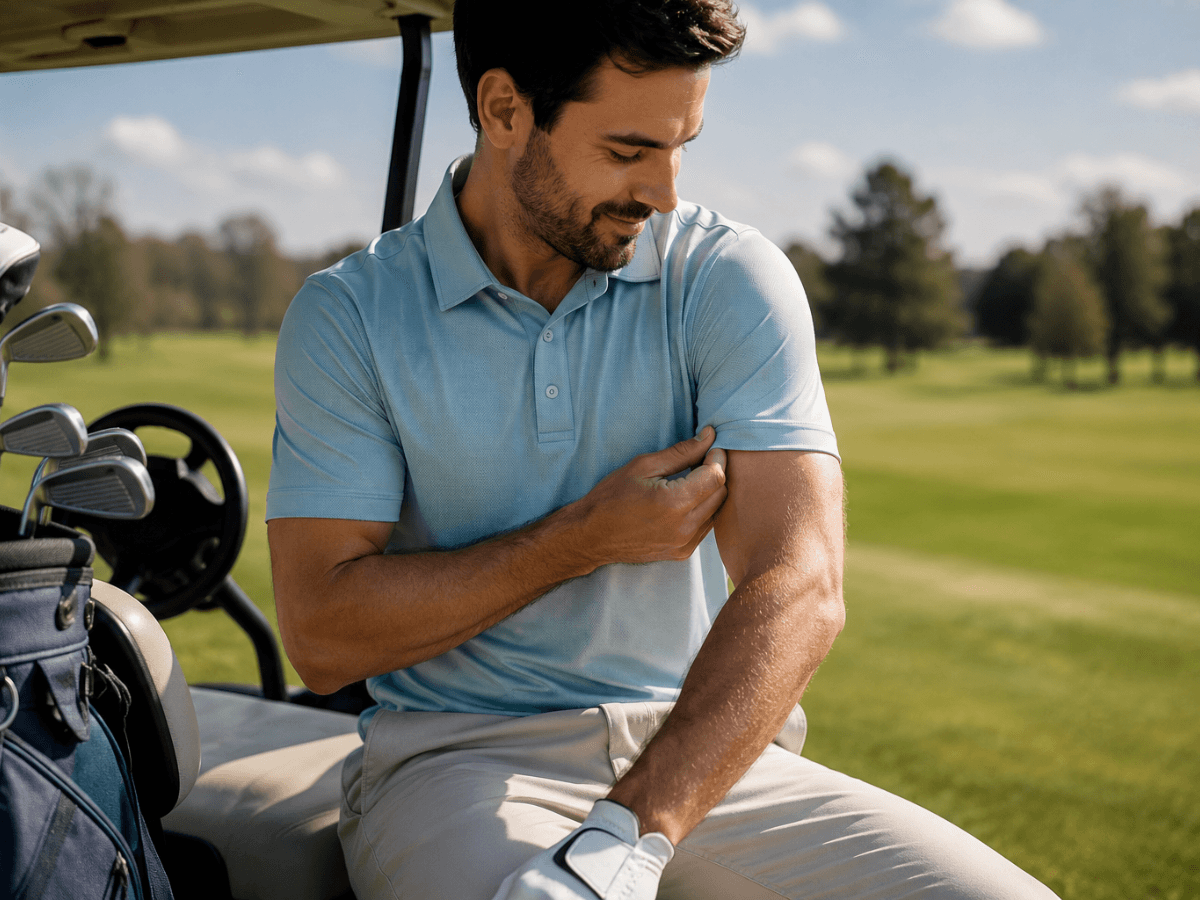
A round of golf can mean hours of walking, swinging, and concentrating under changing weather conditions. When sweat-soaked clothing starts clinging to your skin, even a well-fitted outfit can become an uncomfortable distraction. That’s where performance fabric makes a noticeable difference.
Moisture-wick fabric is engineered to move perspiration away from the skin so it can evaporate more efficiently. For golfers, this can mean staying drier and more comfortable while maintaining the freedom of movement needed for a consistent swing. Fabric weight, breathability, stretch, and drying speed can all influence how apparel performs on the course.
Understanding why moisture-wick fabric matters can help you choose golf clothing that supports comfort and performance from the first tee through the final hole.
Moisture-Wick Fabric Benefits for Hot Days on the Course
How Moisture-Wicking Fabric Works in Golf Apparel

A golf shirt has to do more than look appropriate for the course. Over several hours of walking, swinging, and playing in warm or humid weather, perspiration can leave ordinary clothing damp, heavy, and uncomfortable.
Moisture-wick fabric is designed to manage that problem by moving sweat away from the skin and helping it evaporate more efficiently.
For golfers, that moisture management can make clothing feel more comfortable throughout a round. It can also reduce some of the distractions caused by a damp shirt sticking to the body or restricting movement during the swing.
How Does Moisture-Wick Fabric Move Sweat Away From the Skin?
Moisture-wicking performance depends on how a fabric transports liquid through its fibers and construction. When sweat reaches the inside surface of the garment, capillary action helps draw the moisture into small spaces within the fabric and spread it across a larger surface area.
Moving perspiration outward serves an important purpose. Rather than allowing moisture to remain concentrated against the skin, the fabric distributes it where it can evaporate more readily.
Wicking and drying are related, but they are not exactly the same thing. Wicking describes the movement of liquid through a material, while drying refers to how quickly that moisture subsequently evaporates. A well-designed golf shirt needs to handle both processes effectively.
This is also why the term “moisture-wicking” should not be treated as a guarantee that every performance shirt will behave identically. Fiber composition, yarn structure, fabric construction, thickness, finishes, and garment design can all influence how well a shirt manages perspiration.
Why Moisture Management Matters During a Round of Golf
Golf may involve less continuous high-intensity movement than sports such as running, but players can still spend several hours outdoors in changing temperatures and direct sunlight. Walking the course, carrying equipment, practicing, and repeatedly swinging can all contribute to perspiration.
A shirt that becomes saturated may cling to the torso or feel heavier as the round progresses. Damp material can also increase friction in areas where the fabric repeatedly rubs against the skin.
Moisture-wick fabric helps address these issues by reducing how long concentrated perspiration remains against the body. Breathable construction can further improve comfort by allowing heat and water vapor to move through the garment.
The practical benefit is not that a performance shirt magically improves a golfer’s score. Instead, effective moisture management can make clothing less distracting, helping the golfer stay comfortable and move naturally throughout the round.
Which Fabrics Are Commonly Used in Moisture-Wicking Golf Shirts?
Synthetic fibers are widely used in performance golf apparel because manufacturers can engineer fabrics for moisture transport, quick drying, durability, and stretch. Three materials appear particularly often:
| Fabric | Common Performance Characteristics | Role in Golf Apparel |
|---|---|---|
| Polyester | Lightweight, durable, quick-drying | Frequently serves as the primary fabric in performance polos |
| Nylon | Strong, smooth, abrasion-resistant | Can provide a soft feel while supporting durability |
| Spandex/Elastane | Highly stretchable | Usually blended in small amounts to improve flexibility |
Polyester is especially common because it absorbs relatively little moisture into the fiber itself. Instead, fabric construction can help transport perspiration across the material so it can evaporate.
Nylon is another useful performance fiber and may be chosen for its strength and feel. Spandex, also called elastane, plays a different role. It is generally blended with polyester, nylon, or another primary fiber to give the garment enough stretch to move with the golfer’s shoulders, torso, and arms.
Why Fabric Construction Matters as Much as Fiber Choice
Looking at the material label alone does not tell the whole story. Two polyester golf shirts can perform very differently because moisture management depends on how the textile is engineered.
Manufacturers can alter yarn shape, knit structure, fabric density, surface treatments, and other characteristics to influence how liquid moves through a garment.
Some fabrics are designed with different properties on the inner and outer surfaces, encouraging perspiration to move away from the body rather than back toward it.
Ventilation also matters. Lightweight knits, mesh panels, and strategically breathable areas can help heat and water vapor escape, particularly around parts of the body that tend to become warm during activity.
Some newer performance textiles also use specialized fiber modifications, coatings, or other technologies to alter moisture-management properties. These developments are useful, but shoppers do not necessarily need the most complicated fabric technology available.
The better question is whether the finished garment provides the combination of wicking, drying speed, breathability, stretch, and comfort needed for the conditions in which they typically play.
What Should Golfers Look for in Moisture-Wicking Apparel?
Rather than choosing a shirt solely because the label says “performance,” consider how the entire garment is constructed. A good golf shirt should manage perspiration without sacrificing the freedom of movement needed for a full swing.
Fabric weight and breathability become particularly important for hot-weather golf, while stretch can improve comfort through rotation and follow-through. Fit matters too. Clothing that is excessively tight may feel restrictive when damp, while an overly loose shirt can interfere with movement.
For golfers who regularly play in warm or humid conditions, moisture-wick fabric is ultimately most useful as part of a broader performance design.
Effective moisture transport, quick drying, ventilation, flexible construction, and an appropriate fit work together to create a shirt that remains comfortable from the first tee through the final hole.
Performance and Comfort Benefits of Moisture-Wicking Golf Wear

Moisture management matters on the golf course because comfort can change significantly over the course of several hours outdoors.
Heat, humidity, walking, and repeated movement can leave a standard shirt damp and clingy, particularly across the back, chest, and underarms. Performance golf apparel is designed to reduce those distractions without interfering with the mechanics of the swing.
The value of moisture-wick fabric is not that it directly makes someone a better golfer. Its role is more practical: keeping the golfer comfortable, allowing natural movement, and making perspiration less distracting as conditions change throughout a round.
How Moisture-Wicking Golf Shirts Support Performance
Golf requires repeated rotation through the shoulders, torso, hips, and arms. Clothing that becomes heavy, saturated, or restrictive can feel increasingly noticeable during that movement.
A well-designed performance shirt helps by moving perspiration away from the skin and spreading it across the fabric, where it can evaporate more efficiently. Combined with a lightweight construction, this can help prevent the shirt from feeling waterlogged as perspiration builds.
Moisture-wick fabric can support golfers in several practical ways:
- Less cling when sweating: Moving moisture away from the skin helps reduce the damp, sticky feeling that can develop during warm rounds.
- Better freedom of movement: Performance shirts commonly combine moisture management with stretch, allowing the garment to move through the backswing and follow-through.
- Fewer clothing distractions: A shirt that stays relatively dry and comfortable requires less adjusting between shots.
- Improved long-round comfort: Effective sweat management becomes particularly valuable during extended periods of play in hot or humid conditions.
These benefits support performance indirectly. They create a more comfortable playing environment rather than promising measurable improvements to swing mechanics, accuracy, or scoring.
How Breathability Helps Manage Heat on the Golf Course
Moisture-wicking and breathability are often discussed together, but they describe different fabric properties. Wicking concerns the movement of liquid moisture, while breathability refers more broadly to the ability of heat and water vapor to pass through a textile.
Both matter in golf apparel. A shirt might move perspiration effectively but still feel warm if its construction limits ventilation. Conversely, an extremely breathable fabric may not handle liquid sweat particularly well. Performance apparel works best when these characteristics complement each other.
Fabric weight, knit structure, ventilation panels, and garment fit can all affect airflow. In hot conditions, lighter fabrics and strategically ventilated areas can help prevent heat from becoming trapped close to the body. That is especially useful during long walks between holes or while playing in direct sunlight.
Golfers shopping specifically for warm-weather clothing should therefore look beyond a generic “moisture-wicking” label. Breathability and drying speed can be just as important to overall comfort.
Why Stretch and Fit Matter Alongside Moisture Management
A golf shirt can have excellent wicking properties and still perform poorly if its cut restricts movement.
The golf swing requires substantial upper-body rotation, so performance shirts often incorporate elastane or another stretch fiber alongside polyester or nylon. The goal is not simply to make the garment stretchy. The fabric needs enough flexibility to follow the body without pulling tightly across the shoulders or torso.
Fit also influences how the garment feels once perspiration develops. Clothing that is too tight may become uncomfortable or cling to the skin, while excessive loose fabric can bunch or shift during the swing.
For this reason, golfers should evaluate moisture management, stretch, fabric weight, and fit as parts of the same performance system rather than treating them as separate features.
Can Moisture-Wicking Clothing Reduce Chafing?
It can help, although fabric alone cannot prevent every case of irritation.
Chafing develops when repeated friction affects the skin, and moisture can make that friction more uncomfortable. By moving perspiration away from areas where fabric and skin repeatedly rub, moisture-wicking apparel may reduce some of the conditions that contribute to irritation.
Garment construction is equally important. Flat or strategically positioned seams, an appropriate fit, smooth fabrics, and sufficient stretch can all help reduce friction during repeated movement.
This becomes especially relevant for golfers who walk the course, since several hours of continuous movement give minor fit or friction problems plenty of time to become noticeable.
Does Moisture-Wick Fabric Actually Improve Your Golf Game?
Claims that a shirt will directly produce lower scores should be treated cautiously. Apparel cannot fix alignment, club selection, putting technique, or an inconsistent swing.
What good golf clothing can do is remove avoidable physical distractions.
A shirt that remains lighter, dries efficiently, allows unrestricted rotation, and feels comfortable in changing conditions gives the golfer fewer reasons to think about their clothing. That distinction matters.
The performance advantage of moisture-wick fabric comes primarily from supporting comfort and movement, leaving the golfer free to concentrate on the parts of the game that actually determine the next shot.
Choosing Moisture-Wicking Golf Apparel

Not every performance polo labeled “moisture-wicking” will feel or perform the same on the course. Fabric composition matters, but so do construction, weight, stretch, fit, ventilation, and drying speed.
The best choice depends on when and where you play, how much you tend to perspire, and the type of fit you find comfortable through a full golf swing.
Rather than shopping by one feature alone, evaluate the garment as a complete piece of performance apparel. Moisture-wick fabric should manage perspiration while still feeling comfortable, flexible, and appropriate for several hours of wear.
What Should You Look for in a Moisture-Wicking Golf Polo?
Start with the fabric label, but do not stop there. Polyester and nylon are common in performance golf shirts because they can be used in lightweight, quick-drying fabrics. Blends containing elastane or spandex add stretch, which can make the shirt more comfortable through rotation and follow-through.
Next, consider how the material actually feels. A golf polo should be light enough for the conditions in which you normally play without feeling flimsy or overly thin. If you frequently golf in hot or humid weather, breathability and drying speed deserve particular attention.
Fit is equally important. Raise your arms, rotate your shoulders, and mimic part of your swing when trying on a shirt. The fabric should move with you rather than pulling across the shoulders, chest, or back. At the same time, excessive loose material can bunch or shift during play.
How Can You Tell if a Golf Shirt Is Breathable?
Breathability can be difficult to judge from marketing descriptions alone. Terms such as “performance,” “cooling,” and “dry” can describe very different fabrics, so look for tangible design features.
Lightweight knits can allow more air movement than dense, heavy constructions. Some golf shirts also incorporate mesh, perforated sections, or more breathable fabric in areas where heat tends to build up.
Hold the garment and examine its thickness and structure. A very dense fabric may feel warmer despite having moisture-management properties. For hot-weather golf, the goal is usually to find a material that manages liquid sweat while also allowing heat and water vapor to escape.
This distinction matters because moisture-wicking and breathability are not interchangeable. A shirt can transport perspiration effectively without offering the level of ventilation you want in particularly warm conditions.
What Makes Golf Apparel Truly Quick-Drying?
A useful quick-dry golf shirt does more than move perspiration away from the skin. It also allows that moisture to evaporate without the garment remaining saturated for an extended period.
Fiber type, fabric thickness, construction, and the amount of moisture the material absorbs all influence drying time. Lightweight synthetic performance fabrics are commonly used because they can retain less water than highly absorbent materials.
Quick drying can be valuable during play, but it has an everyday advantage as well. A shirt that releases moisture efficiently may dry faster after washing, which can be convenient for travel or frequent golfers rotating through a smaller collection of apparel.
Remember that “quick-dry” is a performance claim, not a standardized description of exactly how long a particular garment will take to dry. Comparing the complete fabric specifications is more useful than relying on the phrase alone.
How Should Golf Apparel Fit for an Unrestricted Swing?
Golf clothing has an unusual job. It needs to look structured enough for the course while allowing considerable movement through the upper body.
Check for pulling when you rotate rather than judging fit only while standing still. A polo may look perfectly sized in front of a mirror but become restrictive once the shoulders and torso turn.
Stretch fabrics can help, particularly across the shoulders and upper back. Sleeve construction and shoulder seams also affect mobility. Golfers who prefer a slimmer fit should pay particular attention to these areas rather than simply sizing up to gain movement.
The ideal fit should remain comfortable through setup, backswing, impact, and follow-through without requiring repeated adjustments.
How Can You Evaluate Fabric Quality and Construction?
Quality is not determined by fiber composition alone. Two shirts made from similar polyester blends can differ substantially in feel, durability, and moisture management.
Inspect the seams for consistent stitching, especially around the shoulders, armholes, side seams, and collar. Look for puckering, loose threads, or rough seam placement that could become irritating during extended wear. Stretch the fabric gently to see whether it returns to shape rather than remaining distorted.
The care label also deserves attention. Moisture-wick fabric may rely on the properties of the fibers, the fabric construction, applied finishes, or a combination of these. Following the manufacturer’s washing instructions can help preserve those characteristics.
If durability is a priority, consider how the shirt will realistically be used. Someone playing several times a week may value shape retention, washability, and construction quality more heavily than a golfer buying a polo primarily for occasional rounds.
Ultimately, the best moisture-wicking golf apparel balances sweat management with breathability, drying speed, stretch, fit, and durability. Evaluating those qualities together gives you a much better indication of on-course performance than any single claim printed on a tag.
How to Care for Moisture-Wicking Golf Clothing
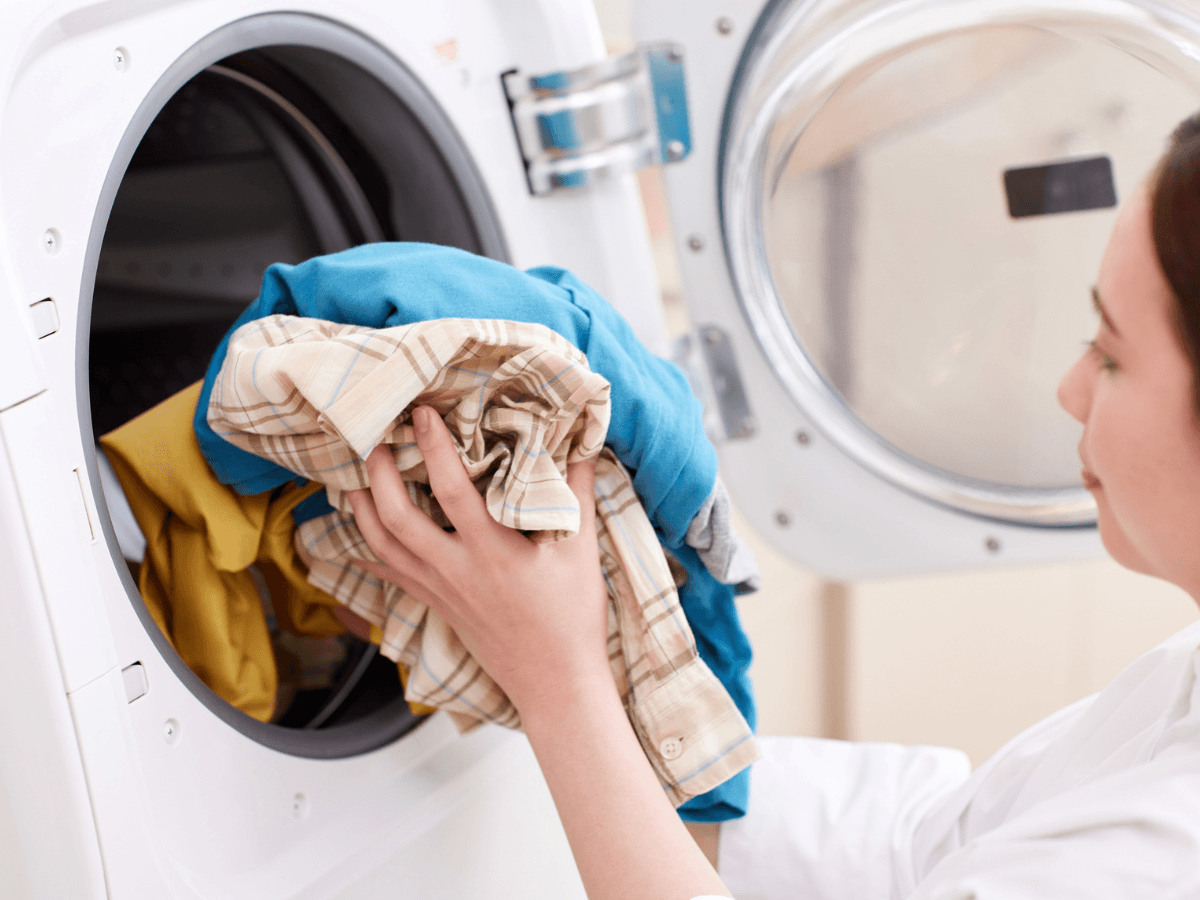
Performance golf apparel is designed to handle sweat, movement, and repeated wear, but the way it is washed and dried can affect how well it continues to perform.
Residue from detergent, fabric softener, body oils, and other laundry products can build up on the material, while excessive heat may damage certain synthetic fibers or stretch components.
Caring for moisture-wick fabric does not require an elaborate laundry routine. A few practical habits can help preserve moisture management, stretch, fit, and overall garment condition. The manufacturer’s care label should always take priority, since fabric blends and finishes vary between garments.
How Should You Wash Moisture-Wicking Golf Shirts?
Start by checking the care label before the first wash. Although many performance golf shirts are machine washable, recommended temperatures and cycles can differ depending on their fiber composition and construction.
Turning shirts inside out before washing can be useful because the inside of the garment is where sweat, body oils, sunscreen, and deodorant are most likely to accumulate. It also reduces direct abrasion against the visible outer surface during the wash cycle.
Use an appropriate amount of mild laundry detergent rather than assuming more detergent will produce a cleaner shirt. Excess detergent may not rinse away completely, leaving residue in the fabric.
Washing heavily soiled golf apparel separately from lint-producing items such as towels can also help keep synthetic fabrics cleaner. Cold or cool water and a gentle or normal cycle are suitable for many performance garments, but follow the specific temperature instructions on the label.
Why Should You Avoid Fabric Softener on Performance Apparel?
Fabric softener is often discouraged for moisture-wicking sportswear because it can leave a coating on the fibers. That residue may interfere with the way some fabrics transport moisture and can reduce the performance qualities the garment was designed to provide.
Dryer sheets can create similar concerns because they also deposit conditioning agents onto fabrics.
This does not mean one accidental wash with fabric softener necessarily ruins a golf shirt. The more useful approach is to avoid routine use when laundering performance apparel and follow the garment manufacturer’s instructions.
Bleach and other strong laundry chemicals should also be used only when the care label specifically permits them. Some products can affect color, stretch fibers, finishes, or other components of the garment.
What Is the Best Way to Dry Moisture-Wick Fabric?
Heat deserves particular attention when caring for performance golf clothing.
Many golf shirts contain polyester, nylon, elastane, or blends of these fibers. High dryer temperatures can be unnecessarily harsh on certain synthetic fabrics and stretch components over repeated cycles.
Air drying is a simple option when the care instructions allow it. Because many performance fabrics retain relatively little water, they may dry reasonably quickly when hung or laid out with adequate airflow.
If machine drying is permitted, follow the temperature recommendation on the label. A lower-heat setting is often preferable to exposing the garment to more heat than necessary.
Avoid leaving damp golf clothing crumpled in a gym bag, hamper, or car after a round. Washing or allowing the garment to dry soon after use can help prevent persistent odors and reduce the amount of time sweat and body oils remain in the material.
How Can You Remove Odors Without Damaging the Fabric?
Synthetic performance apparel can sometimes retain odors even after washing. When that happens, repeatedly adding more detergent is not necessarily the solution. Too much detergent can create additional residue rather than improving the wash.
First, make sure the shirt is being washed promptly and rinsed thoroughly. Check pockets, separate heavily soiled items, and avoid overloading the washing machine so water and detergent can circulate effectively.
Persistent odor can also be a sign that residue has accumulated in the garment. Before using specialized laundry treatments, check that the product is suitable for the specific fabric and compatible with the manufacturer’s care instructions.
Most importantly, avoid trying to mask odor by routinely adding fabric softener, since that can work against the moisture-management properties you are trying to preserve.
How Can You Help Performance Golf Apparel Last Longer?
Longevity depends on more than protecting moisture-wicking properties. Repeated abrasion, excessive heat, improper storage, and harsh washing can affect stretch, seams, collars, surface appearance, and overall fit.
After washing, allow garments to dry completely before putting them away. Store them in a clean, dry area rather than leaving them compressed with damp equipment or used golf gear.
It is also worth inspecting shirts periodically. Look for stretched collars, loose seams, thinning fabric, persistent odors, loss of elasticity, or changes in how the garment handles perspiration. These signs can help distinguish a laundry problem from ordinary wear.
Proper care cannot make moisture-wick fabric last indefinitely, but it can help prevent avoidable deterioration.
Following the care label, limiting unnecessary heat, skipping fabric softener when advised, using detergent appropriately, and drying garments promptly can preserve the comfort and performance qualities that made the clothing useful on the course in the first place.
Conclusion
Moisture-wicking fabric can make a noticeable difference in how comfortable and focused you feel on the golf course, especially during hot or humid rounds.
By moving perspiration away from the skin and helping it evaporate more efficiently, performance fabrics can reduce that heavy, damp feeling while supporting greater freedom of movement throughout your game.
Choosing apparel designed specifically for active play means you can spend less time thinking about discomfort and more time concentrating on your next shot.
For performance-driven golf clothing that combines comfort, function, and style, choose Golf Shot Apparel. If you’re ready to upgrade your golf wardrobe with apparel built for the course, call 888-950-9515 to learn more or shop Golf Shot Apparel today.