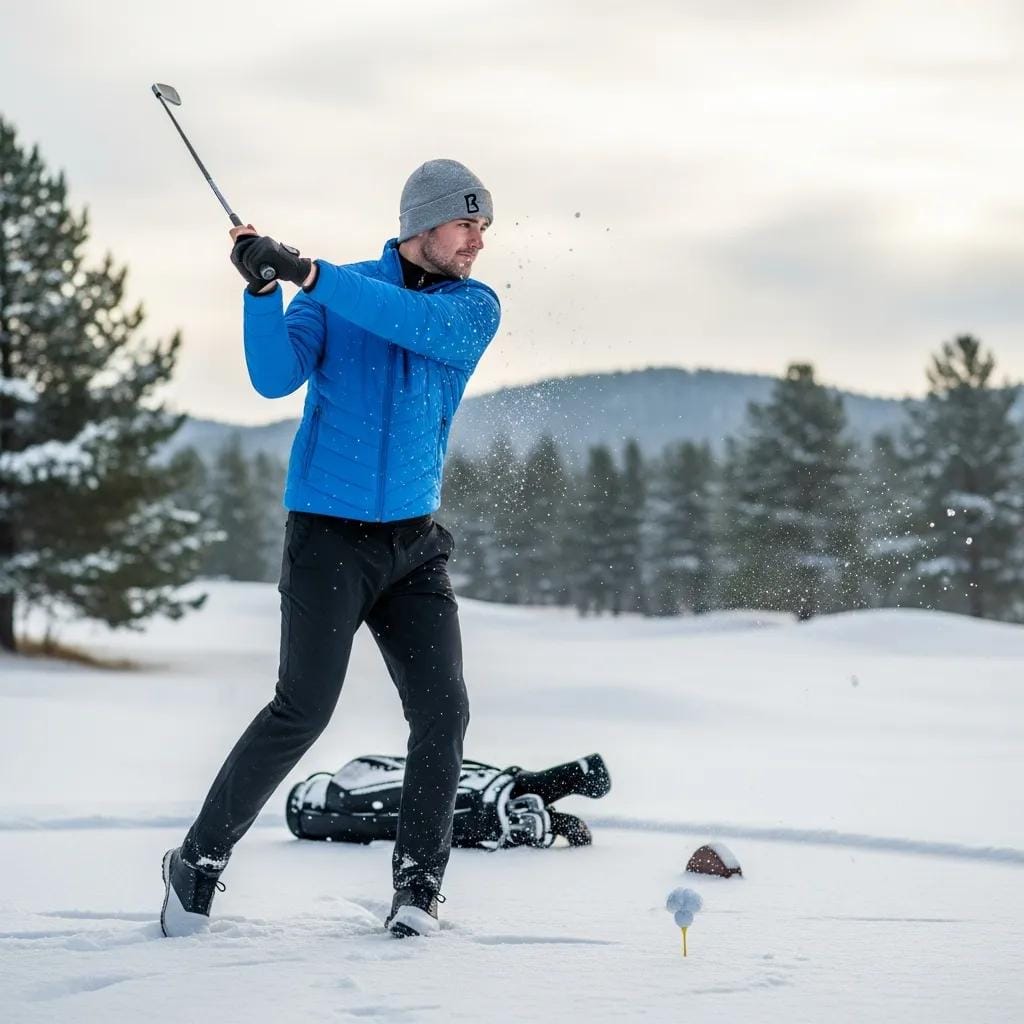
Playing golf in winter requires a thoughtful approach to apparel that prioritizes warmth without sacrificing the flexibility and range of motion essential for a smooth, powerful swing. The key lies in strategic layering with technical fabrics designed to insulate, wick moisture, and block wind, allowing you to maintain comfort and performance from the first tee to the final putt. In this guide, we’ll break down the essentials of winter golf apparel—from base layers and insulated mid-layers to weather-resistant outer shells—so you can stay warm, dry, and confident on the course, even when temperatures drop.
Winter Golf Apparel That Keeps You Warm Without Ruining Your Swing
What Is the Best Golf Layering System for Cold Weather?

When you are choosing winter golf apparel, the most reliable way to stay warm without ruining your swing is a simple three-layer system. Each layer has a specific job: the base layer keeps your skin dry, the mid layer holds heat around your core, and the outer layer shields you from wind and light moisture. When these pieces work together, you create a comfortable pocket of warmth that moves with you instead of fighting your swing.
The base layer sits next to your skin and manages sweat so you do not get chilled halfway through the front nine. The mid layer adds insulation over your torso and arms while still stretching through the shoulders. The outer layer then acts as a barrier against cold air and drizzle, ideally with some stretch in the sleeves so you can rotate freely. Think of the system as one outfit, not three separate tops. When you build your winter golf apparel around that idea, you avoid bulky jackets that feel warm in the parking lot but cost you speed and consistency on the course.
How Do Base Layers Provide Warmth And Moisture Wicking?
A good base layer is the quiet hero of cold-weather golf. Its main job is to move sweat away from your skin so that moisture can evaporate instead of sitting there and cooling you down on the tee box. Fabrics like lightweight polyester or merino wool blends are popular because they pull moisture off the skin quickly while still feeling comfortable under a mid-layer.
Fit matters as much as fabric. The base should sit close enough to your body to transfer moisture, but not so tight that it restricts your shoulder turn or feels constricting through the chest. Many golfers prefer a compression style through the torso with a bit more freedom in the sleeves so they can make a full backswing. On mildly chilly days, a light synthetic base is often enough under a mid-layer. When temperatures are close to freezing, a midweight merino blend offers more warmth at a similar thickness, which keeps your swing path free from extra drag.
Choosing the right base layer also helps you adapt as the day warms up. If you start with a smart base and mid layer, you can remove the shell when the wind drops and still feel dry and comfortable, instead of dealing with damp cotton that makes you cold as soon as you stop walking.
Why Are Mid Layers Essential For Flexibility?
Mid layers do most of the visible work in a winter golf outfit. They provide the insulation you feel while still allowing enough stretch for a full swing. Modern mid layers often use brushed fleece interiors or polyester and spandex blends that trap a thin layer of warm air close to your body without adding stiff bulk through the shoulders and elbows.
Performance hoodies, quarter zips, and slim cut pullovers are popular choices because they pair warmth with four-way stretch. Look for details like raglan or articulated sleeves, paneling through the shoulders, and a trim but not tight cut through the torso. Those design choices keep fabric from bunching at the top of your backswing or around your lead arm during follow-through.
The outer shell is the final piece. For most golfers, a light softshell jacket or wind shirt with some stretch panels is enough to block wind and light drizzle. You want just enough structure to stand up to the elements, but not so much that the jacket feels like a raincoat. When your base, mid, and outer layers are chosen with movement in mind, your winter golf apparel will feel like a single, well-tuned system. You stay warm, you stay dry, and your swing stays consistent from the first drive to the last putt.
Which Winter Golf Jackets Offer Optimal Warmth And Flexibility?
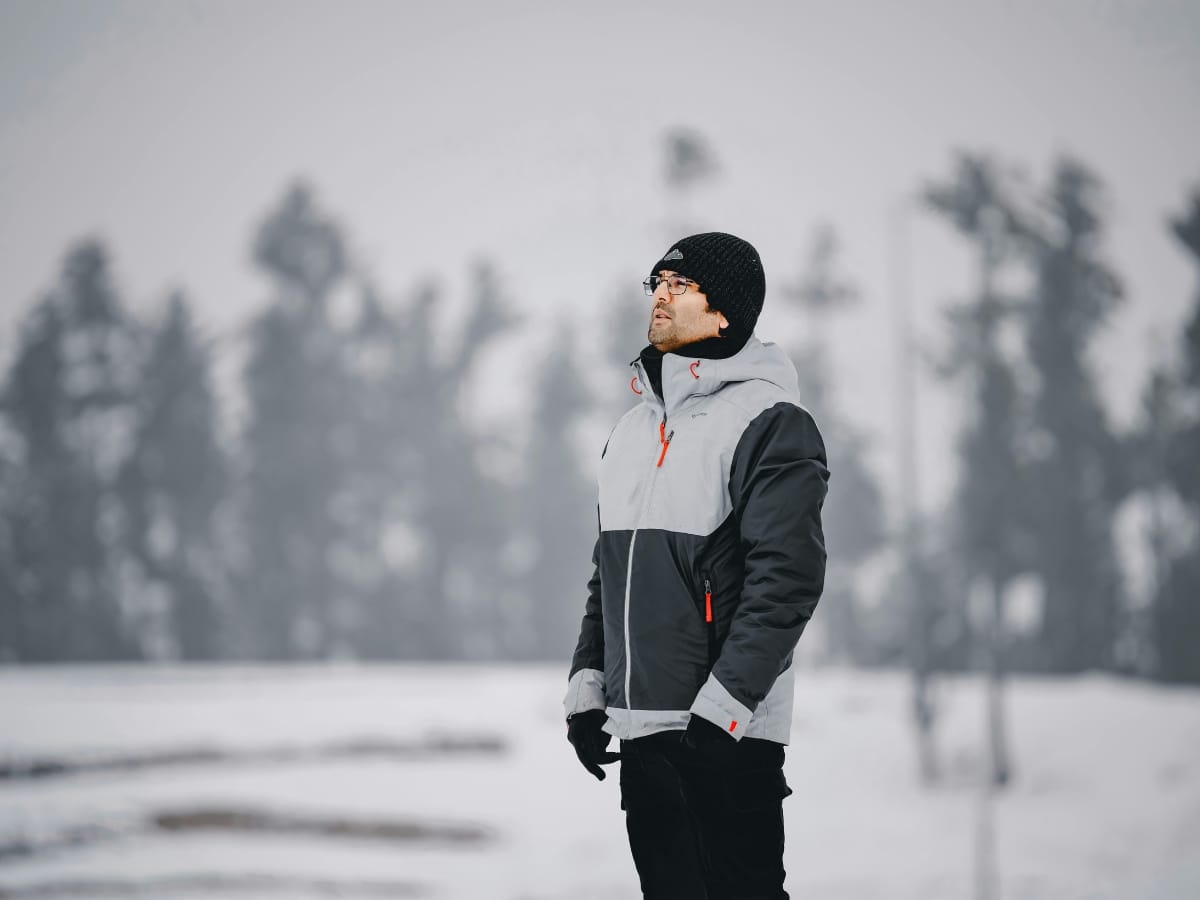
When you are putting together the right winter golf apparel, the jacket is usually the piece that makes or breaks your comfort. A good cold-weather golf jacket has to keep you warm on the tee box without feeling like a parka when you turn at the top of your swing. Most players end up choosing between three broad categories: softshell, insulated, and hybrid jackets.
Softshell golf jackets lean toward stretch, breathability, and wind resistance. They are ideal on cool, dry days when you need protection from the breeze more than heavy insulation. Because softshell fabrics usually have built in stretch, they tend to move well through the shoulders and elbows, which keeps your swing close to its normal summer feel.
Insulated jackets focus on warmth, using synthetic or down-style fills through the core. They are useful when temperatures drop, and you spend time standing between shots, but they can feel restrictive if the panels do not stretch. A smarter option for most golfers is a hybrid design that concentrates insulation on the torso while keeping the sleeves and underarms in a thinner, stretch fabric. That layout holds heat where you need it most and still lets you rotate freely. When you are comparing winter golf apparel options, it helps to think about typical conditions at your home course and how much you value warmth versus pure mobility.
What Features Should You Look For In A Warm Golf Jacket?
Beyond the basic jacket type, details in the cut and construction have a big impact on how playable a jacket feels. Look for articulated sleeves that are shaped to follow a natural arm bend rather than hanging straight. Underarm gussets and four-way stretch panels in the shoulders allow you to reach the top of your backswing without feeling the fabric fight you. A trim but not tight fit through the torso is usually best, since excess fabric around the midsection can twist or bunch as you turn.
Weather protection also matters, especially in the wind. A wind-resistant face fabric with a light, durable water repellent treatment helps hold in warmth when conditions are gusty or damp. At the same time, you want enough breathability that you do not overheat walking between holes. Simple venting or a slightly lighter back panel can keep temperatures in check. Pay attention to seam placement as well. Seams that sit away from the tops of the shoulders and the inside of the elbows reduce chafing and pressure when you address the ball.
Finally, think about how the jacket works with your other layers. A good golf jacket should slide comfortably over a base and mid layer without grabbing, and the cuffs should sit cleanly over or under your glove without bunching. Try to swing in the jacket before you commit, even if that means a few practice moves in a fitting room.
How Do Flexible Jackets Improve Your Golf Swing In Cold Weather?
Stiff or bulky outerwear can cut into both shoulder and torso rotation, which directly affects clubhead speed and consistency. If your jacket resists as you turn, you may unconsciously shorten your backswing or change your path to avoid the restriction. That usually leads to lost distance and less reliable contact. A flexible jacket, by contrast, allows your body to move in its normal pattern, so your winter swing feels closer to what you rely on in warmer months.
Hybrid jackets that keep insulation mainly on the chest and back while using stretch fabrics in the sleeves and side panels are especially effective. They protect your core from chill, which helps with overall comfort and focus, while leaving the key movement zones free. Over the course of a full round, that combination of warmth and freedom makes a noticeable difference. Choosing winter golf apparel with these design priorities in mind means you stay comfortable without sacrificing performance when temperatures drop.
How Can You Choose Warm Golf Pants That Maintain Flexibility?
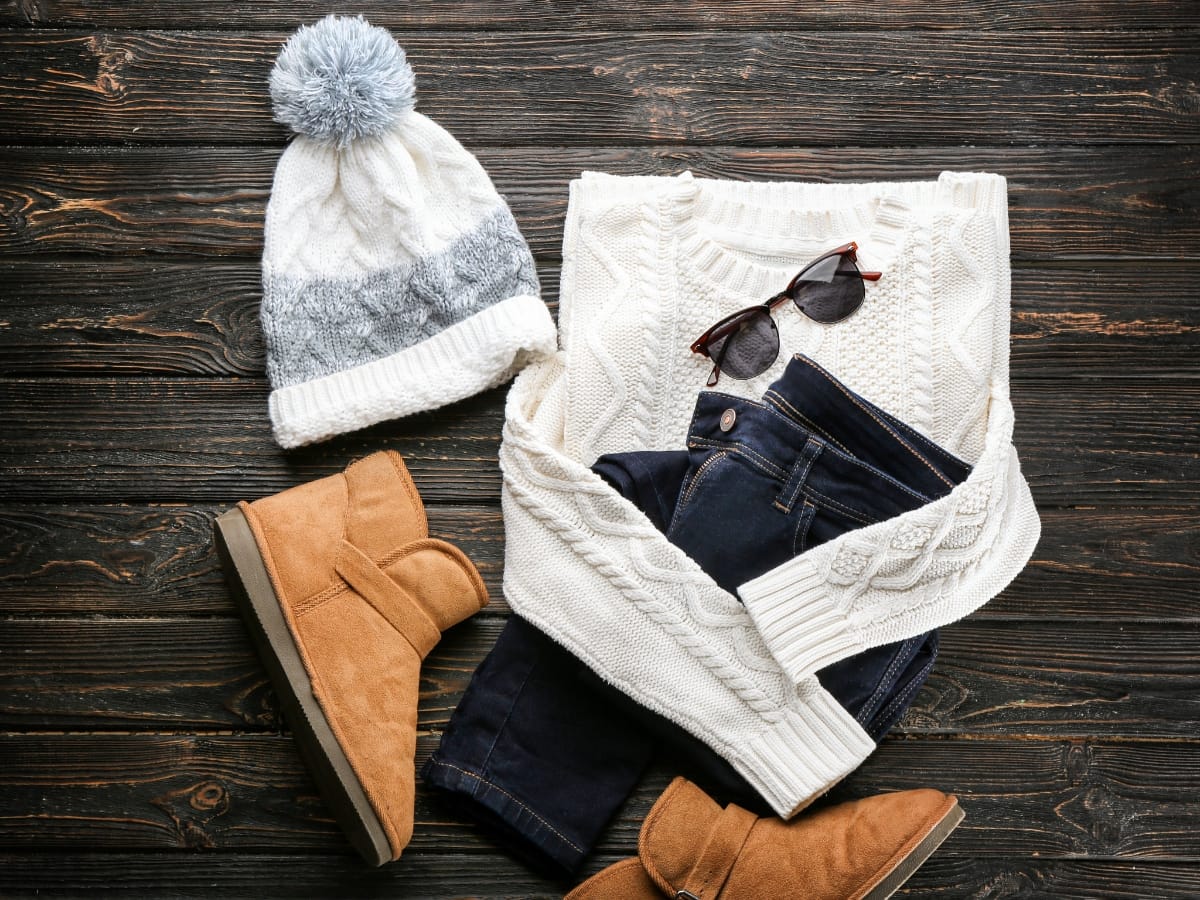
When you are building a set of winter golf apparel, pants are just as important as jackets and base layers. The goal is simple: stay warm from the first tee to the final putt without feeling restricted in your stance, hip turn, or follow-through. Good cold-weather golf pants should add insulation where you need it but still let you sit into your posture, rotate through your hips, and walk the course comfortably.
Look for designs that use stretch fabrics and a cut that supports movement. A straight leg with a slightly relaxed thigh usually works better than a very slim profile, especially when you add a base layer underneath on the coldest mornings. Articulated knees and a gusseted crotch help the fabric move with you instead of pulling when you load onto your trail leg. If a pair feels tight when you simulate a swing in the dressing room, it will only feel worse once you are on uneven lies. Treat winter golf apparel pants as performance gear first and fashion second, and you will notice a difference in both comfort and consistency.
What Materials Provide Insulation And Stretch In Winter Golf Pants?
The best winter golf pants combine synthetics that hold shape with fabrics that trap just enough warmth. Polyester blended with a small amount of spandex is a common choice because it offers mechanical stretch and resists bagging out over a long round. Many cold-weather designs use a stretch woven exterior bonded to a brushed interior. The smooth face helps block wind, while the brushed side against your legs traps a thin layer of warm air without adding bulk.
For cool but not frigid days, lighter stretch woven pants are often enough, especially if you tend to walk rather than ride. On mornings close to freezing, a fleece-lined option becomes more appealing. These pants keep your legs warmer while still allowing room for a thin base layer if you need it. Whatever material you choose, pay attention to how the pants feel when you squat, walk up an incline, and rehearse a swing. Warmth is important, but not at the expense of free hip rotation and knee flex.
Are Water Resistant And Windproof Pants Necessary For Winter Golf?
Wind and damp conditions can undo even the best layering plan, which is why many golfers consider at least one pair of wind-resistant or water-resistant pants part of essential winter golf apparel. Cold air moving across wet fabric strips heat quickly, so a face fabric that sheds light rain and blocks gusts can make a noticeable difference in how you feel on exposed holes.
You do not always need fully waterproof shell pants, which can sometimes feel stiff or trap too much heat. For most winter rounds, a softshell or stretch-woven pant with a durable water repellent finish is a good compromise. It will shrug off light showers, handle damp, rough, and cut the wind without feeling like rain gear. Breathability still matters, since you will be walking, bending, and swinging for several hours. If you often play in truly wet conditions, you can layer a lightweight rain pant over a flexible winter golf pant, but for many players, a single, well-designed cold-weather style is enough to stay dry, warm, and mobile throughout the round.
What Are the Must-Have Winter Golf Accessories for Warmth?

When you think about winter golf apparel, jackets and pants usually get most of the attention, but accessories are what keep you comfortable through a full round. Your head, hands, neck, and feet lose heat quickly, so the right add-ons can make the difference between grinding through 18 and heading in early. The goal is to stay warm without losing grip, hearing, or a clear view of the ball.
A simple cold-weather kit usually starts with a beanie that covers your ears and sits low enough to keep heat in without interfering with sunglasses or your line of sight. Winter-specific golf gloves or glove liners protect your hands while still allowing you to feel the club. A neck warmer or lightweight gaiter shields the throat and upper chest from wind that sneaks past your collar. Thermal socks made from wool blends or technical synthetics keep feet warm and dry on long walks, especially when the ground is damp or frosty. Together, these accessories complement your main layers and round out your winter golf apparel so you can focus on your swing instead of the temperature.
How Do Beanies And Neck Warmers Keep You Warm And Comfortable?
Beanies are one of the easiest ways to add warmth on a cold tee box. A good golf beanie uses a thermal knit that traps warm air around your head while maintaining a low profile that works under or instead of a cap. It should cover the tops of your ears without sliding down into your eyes during the swing. Lightweight insulation helps prevent heat loss, but you want a fabric that still breathes, so you do not overheat when you walk uphill or move into the sun.
Neck warmers and gaiters quietly do a lot of work in winter conditions. Cold wind at the neck can make your whole body feel chilled, even if your jacket is warm. A soft, wind-blocking fabric that sits comfortably under your collar seals that gap and limits heat loss around the upper chest and throat. Look for designs that you can pull up slightly when riding in a cart or waiting on the tee, then push down when you are walking to your ball, so you can fine-tune comfort without adding or removing layers.
Which Winter Golf Gloves And Socks Offer Grip And Thermal Protection?
Hands and feet are usually the first to complain on a cold morning, so they deserve some attention when you build a winter golf apparel setup. Cold-weather gloves fall into three basic styles: thin liners, insulated gloves, and hybrids that blend both ideas. Liners on their own work well in cool but not freezing conditions and preserve a high level of club feel. When temperatures drop further, insulated models add a layer of warmth across the back of the hand while using tacky synthetic or treated leather palms for a reliable grip. Many golfers keep two pairs in the bag and rotate them during a round so they stay dry and responsive.
Socks are just as important. Standard cotton socks tend to hold moisture, which quickly leads to cold feet. Technical wool blends or synthetic thermal socks move sweat away from the skin and keep insulation working even if your shoes pick up some moisture from wet grass. A slightly thicker sock that still fits comfortably in your golf shoes provides enough cushion and warmth without crowding your toes.
When these accessories are chosen with both warmth and playability in mind, they turn a basic outfit into a complete winter-ready system. You stay warmer, your grip stays consistent, and your focus stays on the shot in front of you, not on how fast you can get back to the clubhouse.
Frequently Asked Questions
What Should I Consider When Choosing Winter Golf Apparel?
When you are choosing winter golf apparel, start with fabric and fit rather than just style. Look for pieces that combine warmth, moisture-wicking, and stretch so you can stay comfortable without changing your swing. A simple three-layer system works well on most courses in cold weather: a base layer that pulls sweat away from your skin, a mid-layer that insulates your core, and a light outer shell that blocks wind and light rain. Each layer should work together without creating bulk at the shoulders, elbows, or hips. Finish the setup with smart accessories, like winter gloves and a beanie, so your hands and head stay warm without losing grip or peripheral vision.
How Do I Maintain My Winter Golf Apparel?
Good care keeps winter gear performing longer. Follow the care labels, wash in cold water with a mild detergent, and avoid fabric softener so wicking fabrics can continue to move moisture effectively. Whenever possible, air dry or use a low heat setting so synthetic fibers do not break down or shrink. Pay attention to high-friction areas such as cuffs, collars, and inner thighs, since these tend to show wear first. Replacing worn base layers or gloves before they completely fail helps your entire winter golf apparel system work the way it was designed.
Can I Wear Regular Golf Shoes In Winter Conditions?
Regular golf shoes can be fine for cool, dry days, but they often struggle when conditions are wet, frosty, or icy. Many standard models do not provide enough insulation, and the traction pattern may not grip well on slick turf. For true winter rounds, consider shoes that offer waterproof uppers, a more aggressive sole pattern, and at least some thermal lining. Keeping your feet warm and dry goes a long way toward staying comfortable over 18 holes, especially if you walk the course.
What Are The Benefits Of Layering In Winter Golf?
Layering lets you adjust to changing temperatures, wind, and sun without starting over with a new outfit. A base layer manages sweat so you do not get chilled after walking up a hill. A mid-layer holds warmth around your core while still stretching through the shoulders. A light outer shell stops wind from cutting through your clothes and helps keep light rain or mist off your mid-layer. Used together, these layers keep your body in a comfortable temperature range and allow you to remove or add a piece as conditions change, all while keeping your swing mechanics as close to normal as possible.
How Do I Choose The Right Size For Winter Golf Apparel?
Sizing is about movement as much as measurements. Use the manufacturer’s size chart as a starting point, then try on garments with the layers you expect to wear on the course. Lift your arms, simulate a backswing, and bend into your golf posture. Clothing should sit close enough to avoid flapping around, yet loose enough that you can rotate your shoulders and hips without feeling resistance. If you plan to wear a thicker base layer on the coldest days, you may need to size up for jackets or mid layers so they fit smoothly over everything.
Are There Specific Brands Known For Quality Winter Golf Apparel?
Several brands are known for reliable cold-weather options, including Golf Shot Apparel, Under Armour, and Nike, along with a range of smaller golf-focused labels. Rather than focusing only on logos, look for clear information about insulation, stretch, and moisture management. Reviews from golfers in similar climates can also be helpful when you are deciding which winter golf apparel pieces will fit your needs and playing style.
What Accessories Are Essential For Winter Golf?
Accessories close the gaps that jackets and pants cannot cover. Thermal or winter-specific gloves protect your grip and keep fingers responsive. A snug beanie or thermal cap reduces heat loss from your head and keeps your ears covered. Neck warmers or light gaiters help block wind at the collar, and insulated socks keep feet warm and dry through damp fairways. Adding these small items to a solid layering system makes winter rounds far more comfortable and helps you stay focused on your game instead of the temperature.
Conclusion
Playing your best winter golf means finding the perfect balance between warmth and unrestricted movement. By mastering the art of technical layering—starting with a moisture-wicking base and building with insulated, wind-resistant outer layers—you can conquer the cold without sacrificing your swing. At Golf Shot Apparel, we design winter-specific gear that provides essential warmth, flexibility, and style, so you can focus on your game, not the weather. Don’t let the cold keep you off the course. Call 888-950-9515 or visit our shop today to explore our performance-driven winter collection. Your most comfortable—and confident—rounds are waiting.