
Golf demands focus, precision, and patience, but unpredictable weather can quickly become a distraction. Early morning chill, midday heat, and sudden wind shifts make smart layering essential for staying comfortable through all 18 holes. Master layering tips for golf apparel for ultimate comfort help you adapt without sacrificing mobility or style.
The right combination of breathable base layers, lightweight mid-layers, and weather-resistant outerwear allows you to regulate body temperature while maintaining a full range of motion. Fabrics that wick moisture, stretch with your swing, and protect against wind or light rain make a noticeable difference in performance and endurance.
Whether you’re teeing off at sunrise or finishing a late afternoon round, learning how to layer effectively keeps you comfortable, confident, and focused on your game instead of the forecast.
Layering Tips for Golf Apparel That Boost Comfort
What Is The 3-Layer Golf Clothing System And Why Is It Essential?

If you play in changing weather, the three-layer system is one of the easiest ways to stay comfortable without packing your bag with extra outfits. It is built around a simple idea: control moisture, manage warmth, and protect against wind or rain.
When those three needs are covered, you can adjust as conditions shift during a round, whether the morning starts cool and ends sunny or a breeze picks up on the back nine.
The base layer sits closest to your skin and handles sweat so you do not feel clammy or chilled. The mid layer provides warmth without making your swing feel restricted. The outer layer blocks wind and light rain so your body is not fighting the elements.
Together, these pieces work as a system rather than three separate items, which is why golfers often refer to master layering tips for golf apparel when they want a practical approach that works across seasons. Once you build a reliable set of layers, you can mix and match based on temperature, course conditions, and how long you expect to be outside.
It also helps to remember that layering is not just for cold weather. Even in mild conditions, you can benefit from a light base layer and a packable outer layer if the forecast is unpredictable.
A smart layering strategy keeps you steady and comfortable, which matters more than people realize when you are trying to stay focused over a long round.
How Does The Base Layer Manage Moisture And Enhance Comfort?
Base layers are all about moisture control. When sweat stays on your skin, it cools you down quickly, especially if the wind picks up or the temperature drops. A good base layer wicks moisture away from the body and spreads it out so it can evaporate faster.
That keeps you feeling dry and helps prevent that cold, sticky feeling that can show up mid-round when you are walking, swinging, and moving between sun and shade.
Fabric choice matters here. Synthetic blends like polyester and nylon are popular because they dry quickly and hold their shape. Merino wool is another strong option because it regulates temperature well and resists odor, which can be useful for longer days on the course.
The best base layers are also smooth and low-profile, so they do not bunch under a polo or pull at the shoulders during a swing.
Fit is just as important as fabric. A base layer should sit close enough to your body to move moisture efficiently, but not so tight that it feels restrictive. Look for stretch and a cut that allows full shoulder rotation. If the sleeves pull when you reach the top of your backswing, that is a sign the fit is off.
For golfers trying to master layering tips for golf apparel, getting the base layer right is usually the biggest comfort upgrade, because it affects how every other layer feels on top of it.
What Role Does The Mid Layer Play In Insulation And Flexibility?
The mid-layer is the temperature manager. Its job is to hold warmth in without trapping too much heat, which is why breathability matters as much as insulation.
On a cool day, a lightweight fleece or a thin performance pullover can keep you comfortable while you wait on the tee box, but still release heat once you start walking or hitting more frequently. If your mid-layer is too heavy or stiff, you will either overheat or feel like your swing is fighting the fabric.
The best mid layers for golf tend to be lightweight, stretchy, and designed with movement in mind. Quarter-zips, thin fleeces, and synthetic insulated pieces are common choices because they provide warmth without adding bulk through the shoulders and arms.
Bulk is where golfers run into problems, since extra fabric around the chest and upper back can change how the club feels during rotation. A well-made mid-layer should feel like it moves with you rather than sitting on top of you.
It also helps to think about when you will wear the mid-layer. If the day starts cold and warms up, you want something easy to remove and store without taking up much space. If it stays cool the whole time, you want a layer that stays comfortable even when your body temperature changes with activity.
Mid layers that breathe well and have a smooth outer surface also layer better under a wind shell or rain jacket, which prevents rubbing and helps you stay comfortable over a full round.
Which Golf Apparel Items Are Best For Each Layer?
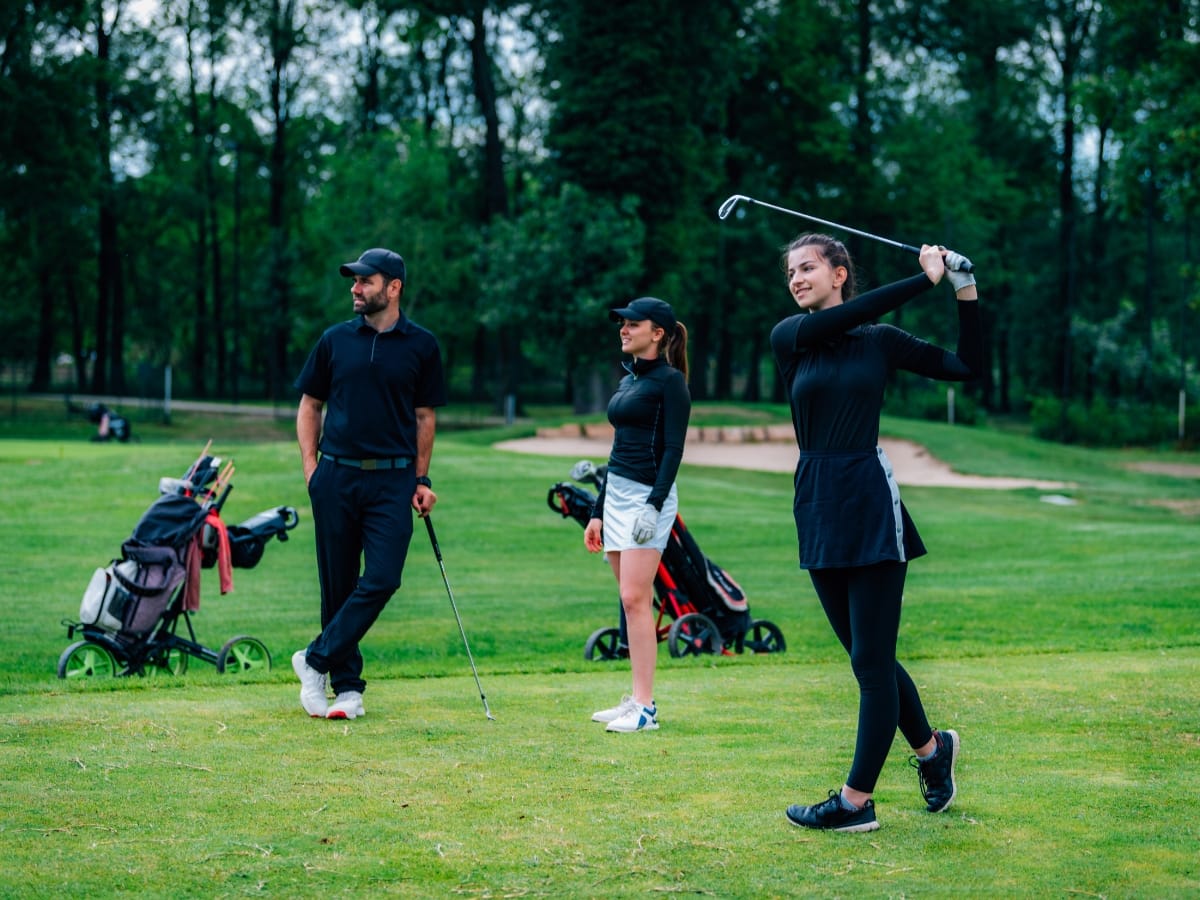
Layering feels simple once you know what each piece is supposed to do. The goal is not to pile on clothes, but to choose the right combination so you stay dry, warm when needed, and protected from wind or light rain without losing mobility.
When golfers talk about master layering tips for golf apparel, they are usually looking for a setup that works across different tee times and seasons without forcing constant outfit changes.
Your base layer should manage sweat and keep your skin comfortable. In warmer weather, that might be a moisture-wicking polo or a lightweight performance top. In cooler conditions, a long-sleeve base layer makes more sense because it adds a small amount of warmth while still pulling moisture away from the body.
Materials like polyester and nylon are popular because they dry quickly and stretch well. Merino wool is another option, especially when temperatures fluctuate, because it regulates heat naturally and tends to stay fresher over longer wear.
The mid layer is where you add warmth without adding bulk. A lightweight fleece pullover is a reliable choice because it insulates while staying flexible through the shoulders and back. Many golfers also like insulated vests since they warm the core without restricting arm movement.
Breathability matters here because a mid-layer that traps too much heat can leave you sweaty, which defeats the purpose of layering. A good mid-layer should feel comfortable when you are walking, but also when you are standing still waiting for a shot.
The outer layer is your protection from the elements. On breezy days, a wind shell can make a noticeable difference without feeling heavy. If rain is in the forecast, a waterproof jacket with sealed seams and adjustable cuffs helps keep water out while still allowing movement.
The best outer layers for golf are designed with flexibility in mind, since stiff fabric can affect your swing tempo and comfort.
What Are The Best Golf Base Layers For Moisture-Wicking And Temperature Regulation?
A strong base layer does two things well: it keeps sweat from sitting on your skin, and it stays comfortable through a full range of motion. For many golfers, a moisture-wicking polo is the most common warm-weather base because it handles sweat while still looking course-appropriate.
Look for fabrics that dry quickly and do not hold moisture in the collar or underarms, since those are spots that can feel uncomfortable as the round goes on.
When temperatures drop, a lightweight long-sleeve base layer becomes more useful. Merino wool is a solid choice for cooler rounds because it balances warmth and breathability, and it is less likely to hold odor compared to many synthetics.
It also works well when the day starts cold and warms up, since it helps regulate temperature rather than overheating you. If you prefer synthetics, a fitted performance top can work just as well, especially if it has stretch and a smooth feel under a polo or pullover.
Fit is the deciding factor more often than brand. A base layer should sit close enough to wick moisture effectively, but it should not feel tight across the shoulders or chest. If you notice pulling at the top of your backswing or bunching under your sleeves, sizing or cut may be off.
One of the most practical master layering tips for golf apparel is to choose base layers that disappear once you put them on. If you notice the fabric while you play, it is probably not the right piece for your game.
How To Choose Mid Layers For Insulation And Swing Freedom?
Mid layers are where golfers often make the biggest mistake, which is choosing warmth at the expense of mobility. A thick hoodie or bulky jacket might feel cozy on the first tee, but it can restrict shoulder rotation and change how the club feels.
A better approach is focusing on warmth-to-weight. Lightweight fleece, performance pullovers, and thin synthetic insulation provide warmth without adding a lot of bulk, which helps keep your swing natural.
Pay attention to the cut. A trim fit tends to layer better and reduces excess fabric that can twist or bunch. At the same time, you need enough room to comfortably wear it over a base layer. The shoulders and upper back matter most, since this is where tightness will show up during rotation. If you can take a full practice swing without the fabric tugging, you are on the right track.
Finally, make sure your mid layer works with the outer layer you plan to use. If the mid layer has a rough exterior or bulky seams, it may feel uncomfortable under a wind shell or rain jacket. A smooth, breathable mid layer pairs better with outerwear and makes it easier to adjust during the round.
When you keep these details in mind, layering becomes consistent and repeatable, which is the real point of mastering layering tips for golf apparel.
How to Layer Golf Clothes Effectively in Different Seasons?

Layering for golf is less about dressing for the temperature on the first tee and more about dressing for the full round. Conditions change as the sun comes up, wind shifts, or clouds move in, and comfort can swing just as quickly.
The most reliable approach is to build layers you can adjust without losing mobility. When you follow master layering tips for golf apparel, you are basically creating an outfit that can breathe when you are walking, warm you up when you are waiting, and protect you if the weather turns.
A good seasonal strategy starts with understanding what each layer should do. The base layer manages sweat and keeps you from feeling clammy. The mid layer holds warmth but should still breathe. The outer layer blocks wind and rain without feeling stiff or loud as you swing.
Once you have those roles in mind, it becomes easier to scale your outfit up or down depending on the season, rather than guessing and hoping you brought the right pullover.
Another detail that matters year-round is flexibility. Golf requires full shoulder rotation, and bulky fabrics can change how your swing feels. The best outfits feel light, even when you are layered. If you can swing freely and stay comfortable for the entire round, you have done it right.
What Are The Best Winter Golf Apparel Layering Strategies?
Winter golf is all about staying warm without overheating. Cold air is uncomfortable, but sweat is the bigger problem because it cools your body down fast once you stop moving. That is why winter layering should start with a thermal base layer that traps warmth while still pulling moisture away from the skin.
Look for fabrics designed for cold-weather activity, not casual lounge wear, since you need stretch and breathability as much as insulation.
Next, add an insulated mid-layer that keeps your core warm without restricting your shoulders. A lightweight fleece works well for dry cold, while thin synthetic insulation can feel warmer when temperatures drop.
Many golfers prefer a vest here because it warms the torso and leaves the arms free, which can make a noticeable difference in swing comfort. The best mid layers also breathe, so you do not feel sweaty after a few holes of walking.
Finish with an outer shell that blocks wind and sheds rain or sleet. Wind is often what makes winter rounds feel harsher than the temperature suggests, so a good wind-resistant layer can be the difference between enjoying the round and counting down the holes.
If precipitation is possible, a waterproof shell is worth it, but it should still allow movement through the shoulders and upper back. This is where master layering tips for golf apparel really pay off, because you can stay warm and dry without adding bulk that interferes with your game.
How To Adapt Golf Layering For Spring, Summer, And Fall?
Spring tends to be unpredictable, which makes it the season where layering matters most. Mornings can start cool, then warm up quickly once the sun is out.
A lightweight base layer paired with a breathable mid layer, like a thin pullover, gives you flexibility without feeling heavy. If rain is in the forecast, a packable outer layer that blocks wind and light moisture is a smart addition, especially if you can easily stow it when conditions improve.
Summer layering is less about warmth and more about sweat control and sun protection. A moisture-wicking short-sleeve top is usually enough for most rounds, but you still want fabric that dries quickly and does not cling.
On very hot days, a lightweight long-sleeve performance layer can actually be more comfortable than bare arms because it protects from the sun while still breathing. If you carry an outer layer in summer, keep it minimal, like a very light wind shell for early tee times or unexpected weather changes.
Fall sits between spring and winter, with cooler air and shorter days that can shift quickly. This is the time to move back to long-sleeve base layers and slightly warmer mid layers, especially for morning rounds. The key is choosing pieces you can remove as the day warms up.
Fall is also when wind becomes more noticeable, so a light shell can be useful even when it is not raining. With master layering tips for golf apparel in mind, the goal is to stay comfortable through changing conditions while keeping your swing unrestricted and your focus on the round.
What Fabrics and Technologies Optimize Golf Apparel Layering?
The difference between layering that feels effortless and layering that feels bulky usually comes down to fabric choice. Golf is a stop-and-go sport, so your body temperature changes throughout the round.
You might warm up while walking a few holes, cool down while waiting on the tee box, then heat up again on the next stretch. The best fabrics help regulate those swings by moving moisture away from your skin, holding warmth when needed, and blocking wind or rain without trapping sweat.
If you are trying to follow master layering tips for golf apparel, start by thinking of your outfit as a system. The base layer should move sweat and dry quickly. The mid layer should provide warmth while staying breathable and flexible through the shoulders.
The outer layer should handle wind and wet conditions, but it also needs to release moisture so you do not feel clammy underneath. When fabrics are chosen with those roles in mind, layering feels lighter and more comfortable, even when temperatures drop.
Technology can help, but it does not need to be complicated. Most performance golf layers use a mix of fabric structure, finishes, and membranes to create comfort.
Moisture-wicking knits, brushed fleece interiors, and wind-resistant weaves are all examples of how the fabric itself can do the work. The goal is to stay comfortable through changing conditions without needing heavy, stiff pieces that interfere with movement.
Why Are Polyester And Merino Wool Ideal For Base Layers?
Polyester is one of the most common base-layer fabrics for a reason. It is lightweight, durable, and dries fast, which matters on days when you are sweating, even if the air feels cool.
Polyester also holds its shape well and usually has good stretch, so it can move with your swing without bunching. When blended with elastane or similar stretch fibers, it becomes even better for golf because it stays close to the body and wicks moisture efficiently.
Merino wool has a different set of strengths, which is why it is often used when comfort and temperature regulation matter more than maximum quick-dry performance. Merino naturally manages moisture, meaning it can pull sweat away from the skin while still feeling warm when the temperature drops.
It also tends to resist odor better than many synthetics, which can be useful for longer days or travel rounds where you want to stay comfortable without feeling like you need a full outfit change.
Choosing between polyester and merino often depends on conditions. For warm weather, humid climates, or high-activity rounds, polyester and synthetic blends are usually the easiest option. For cooler weather or days when temperatures fluctuate a lot, merino can feel more stable and comfortable.
Either way, a base layer should fit close enough to do its job without feeling tight across the shoulders or chest. One of the simplest master layering tips for golf apparel is to prioritize fit and movement at the base layer level, because every other layer depends on how comfortable that first piece feels.
How Do Waterproof And Windproof Materials Protect In Outer Layers?
Outer layers are the difference between playing through rough weather and feeling distracted by it. Wind is often the bigger issue than rain, because it strips heat away quickly and makes even mild temperatures feel cold.
A wind-resistant outer layer helps by reducing that chill, which lets your body maintain warmth without needing a thick, heavy jacket. Many wind shells use tightly woven fabrics that block gusts while still allowing some breathability, making them a good option for breezy days that are not wet.
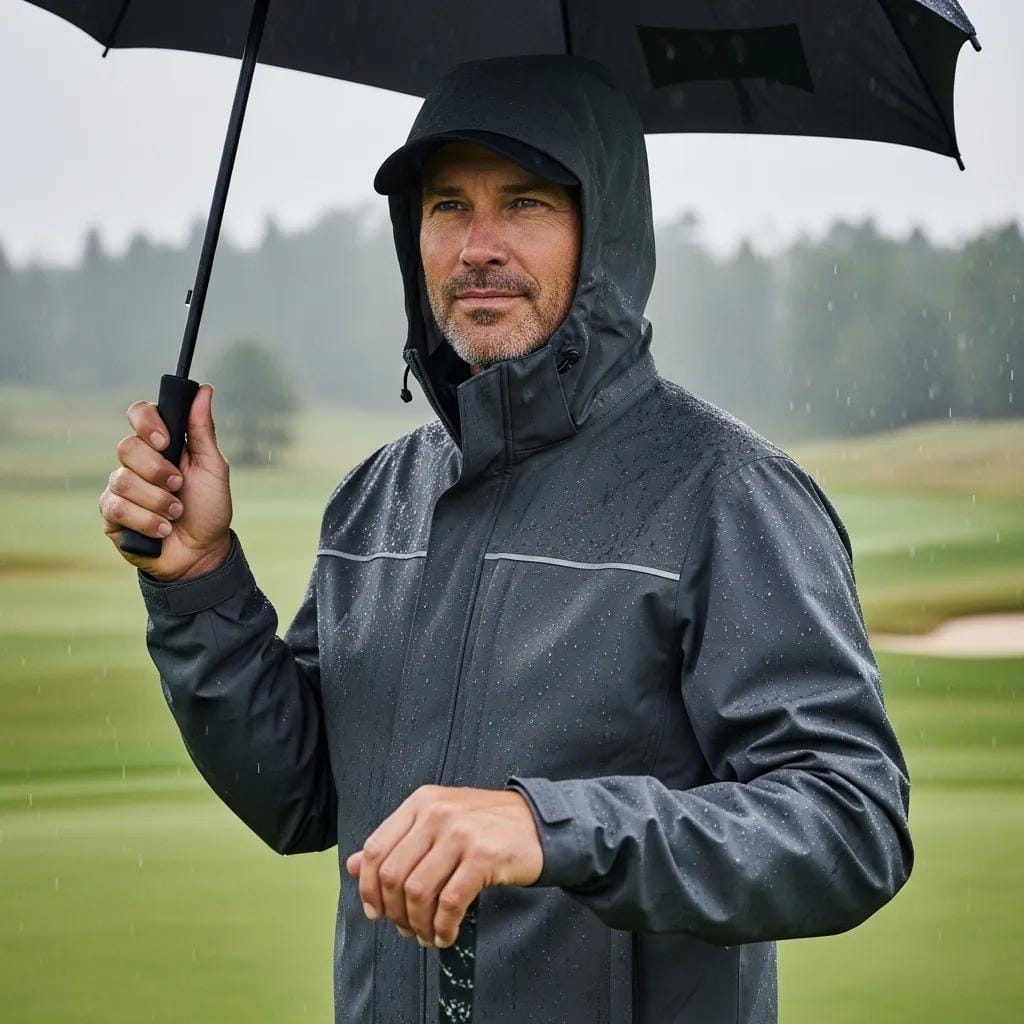
Waterproof outer layers take it a step further by using membranes or coated fabrics that block water from getting in. The key is finding a jacket that is waterproof but also breathable enough to let sweat escape. If moisture builds up inside the shell, you end up feeling damp anyway, which defeats the purpose.
Breathable waterproof materials are designed to vent moisture vapor outward, so you stay drier on the inside while still being protected from rain on the outside.
Pay attention to practical design details too. Sealed seams reduce leak points, adjustable cuffs help keep wind and rain from creeping in, and a flexible cut through the shoulders makes it easier to swing without resistance.
The best outer layers feel quiet and smooth when you move, which is important for staying focused. When you pair a breathable base layer with a flexible mid layer and a weather-ready shell, the whole system works the way it should, and that is the real goal behind master layering tips for golf apparel.
How To Achieve Style And Performance With Golf Layering For Men And Women?

Good golf layering should look intentional, not like you grabbed whatever was closest to the closet. The best outfits balance performance with a clean, simple style that works on the course and still looks normal if you stop for lunch afterward.
That balance is easier to hit when you treat layering as part of your overall outfit, not just a way to stay warm. When each piece fits well and works with the others, you get comfort without bulk and a look that feels put together.
A reliable starting point is sticking with versatile colors that mix easily. Neutrals and classic tones tend to work across different seasons and pair well with most polos, pants, and outer layers.
That does not mean everything has to be plain, but it does help to keep one piece as the “statement” and let the rest support it. If your outer layer has a bold color or pattern, keep the base layer and pants more subdued. If your polo is the standout, choose a simpler mid-layer and shell.
Fit matters as much as color. Layers should sit smoothly without bunching at the shoulders, elbows, or waist. A trim fit looks sharper and also performs better because the fabric is less likely to catch or restrict rotation. At the same time, layers should not feel tight.
The goal is a clean line through the shoulders and back that still allows a full swing. These are the kinds of details people mean when they talk about master layering tips for golf apparel. It is not about dressing flashy; it is about dressing in a way that feels comfortable and looks right in motion.
Accessories can pull the outfit together, but they should still be practical. A cap helps with glare, sunglasses reduce eye strain, and a belt finishes the look while keeping the fit consistent. Keep accessories simple and coordinated with the rest of the outfit so they add polish without looking forced.
What Are The Key Style Considerations For Golf Layering On And Off The Course?
Layering works best when the pieces you choose can do more than one job. A lightweight quarter-zip, a fitted vest, or a clean wind shell can look appropriate during play and still work casually afterward.
This comes down to choosing classic shapes and avoiding overly technical styling that only looks right on the course. A mid-layer with a simple collar line and minimal branding is easier to wear in different settings, and it pairs well with both golf pants and more casual options.
Accessories should follow the same approach. Caps, belts, and sunglasses add function, but they also finish the outfit. When they coordinate with your shirt and outer layer, the look feels deliberate.
Even small choices like matching metal finishes on a belt buckle and watch can make a layered outfit look more cohesive without extra effort. If you prefer a more athletic look, keep your colors consistent and your layers fitted. If you lean classic, choose pieces with clean lines and subtle textures.
Footwear is also part of the overall look. Golf shoes should support your stance and comfort through a long round, but they also affect how the outfit reads.
A clean shoe style in a neutral color tends to work with most outfits and does not compete with the rest of your layers. If you are wearing bolder colors up top, simpler shoes can help balance it. If your outfit is more understated, a bit of contrast in your shoes can add interest without being loud.
Above all, avoid over-layering. If you feel bulky, your outfit will look bulky. One of the most practical master layering tips for golf apparel is to choose fewer, higher-performing layers that you can adjust easily instead of stacking multiple heavy pieces.
How To Choose Affordable, Durable Layering Pieces Without Looking Overdone?
You do not need expensive gear to layer well, but you do need pieces that hold up and fit correctly. Start with basics you can repeat.
A moisture-wicking polo or fitted base layer, a lightweight pullover or vest, and a packable wind or rain shell will cover most conditions. Look for durable stitching, fabrics that resist pilling, and enough stretch through the shoulders and upper back. These details matter more over time than trendy design features.
When you are shopping, focus on comfort first and appearance second, but do not ignore how the pieces sit together. Try layering a base and mid layer and moving through a full practice swing. If the fabric pulls at the shoulders or bunches at the waist, the fit will become annoying over a long round. It is also worth paying attention to how the collar areas stack. A bulky collar under a quarter-zip can feel uncomfortable and look messy.
Durable, well-fitting basics are the foundation of a layered wardrobe that works for both men and women. Once you have those pieces, you can add variety through color, texture, and small accessories without reinventing your entire outfit every season.
That is the real payoff of mastering layering tips for golf apparel: you stay comfortable, you look put together, and you can adapt quickly when the weather changes.at means you get reliable performance and lasting value without paying extra for unnecessary markups.
Where To Find And How To Use Golf Shot Apparel Products For Ultimate Layering Comfort?

A solid layering setup is not complicated once you know what you need and how the pieces should work together. The goal is to build outfits that feel comfortable from the first hole to the last, even when the weather shifts mid-round.
If you are trying to follow master layering tips for golf apparel, it helps to shop with a plan instead of grabbing random items that do not layer well. Look for pieces that cover the basics: moisture control, lightweight warmth, and weather protection. When those three needs are met, you can adjust quickly without feeling bulky or restricted.
If you are browsing a golf apparel brand, start by looking at the categories that match the layering system. Base layers should be lightweight, breathable, and easy to wear under a polo or pullover. Mid layers should provide warmth but still stretch through the shoulders and upper back.
Outer layers should block wind and resist rain while still allowing movement. Once you have a few core items in each category, mixing and matching becomes easy, and you can stop overpacking for “just in case” weather.
Choosing items based on season also makes the process smoother. Hot days call for moisture-wicking tops that keep sweat from sitting on your skin. Cooler rounds call for a breathable mid-layer that keeps your core warm without overheating.
Windy or wet conditions call for a shell that protects you without making the swing feel stiff. Keeping these roles clear is one of the most practical master layering tips for golf apparel because it saves you from buying pieces that look good but do not perform well together.
Which Golf Shot Apparel Shirts, Hoodies, And Beanies Serve As Ideal Layers?
When you are building a layered golf wardrobe, shirts are usually the foundation. Moisture-wicking polos work well as a base layer in warm weather because they are breathable and dry quickly.
They also layer easily under a pullover when the temperature drops. For cooler mornings, a lightweight long-sleeve performance shirt can serve the same role, especially if it fits smoothly under additional layers without bunching at the sleeves.
For the mid layer, a low-bulk hoodie or performance pullover can be a comfortable option when you want warmth but still need full mobility. The best mid layers for golf are the ones you barely notice once you start moving.
They should feel light through the shoulders and flexible through the back so they do not interfere with rotation. A mid-layer that is breathable also matters, because golf involves walking, stopping, and starting, and your body temperature changes throughout the round.
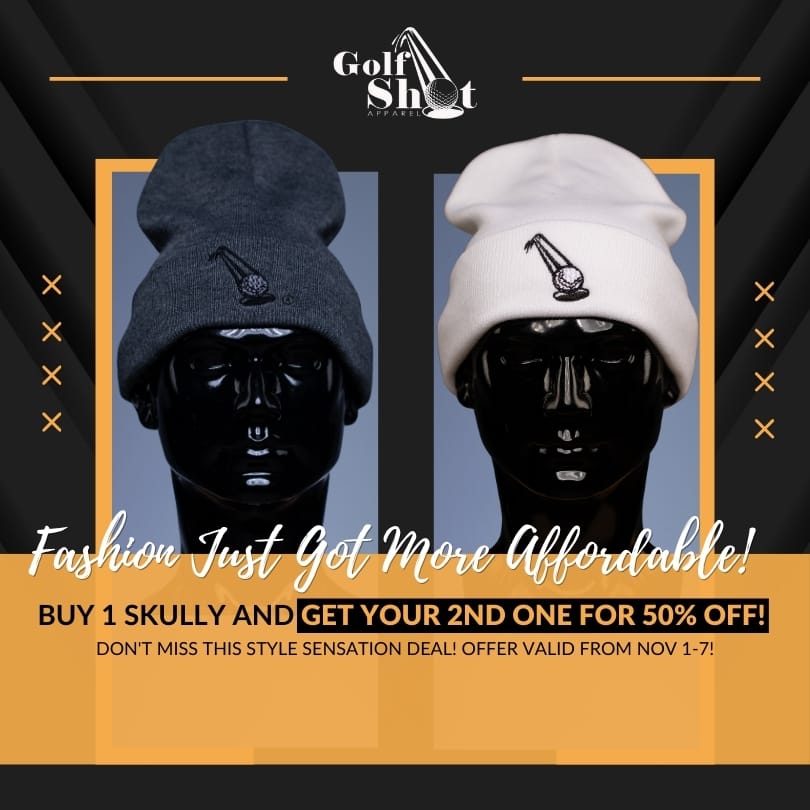
Beanies are a simple cold-weather add-on that can make a big difference in comfort. Keeping your head warm helps your whole body feel warmer, which can reduce the temptation to pile on heavy layers that restrict movement. A beanie is also easy to stash in a pocket or bag when the day warms up, making it a practical piece for early tee times.
How To Integrate Golf Shot Apparel Into Your Layering System For Maximum Comfort?
The easiest way to integrate any brand into your routine is to layer in the same order every time: base layer first, then mid layer, then outer protection if the weather calls for it. Start with a moisture-wicking base that fits close to the body without feeling tight. This layer should handle sweat, prevent chills, and stay comfortable through movement.
Next, add a mid-layer that provides warmth where you need it, usually around the core, while still breathing enough to avoid overheating. If wind or rain is part of the forecast, finish with a shell that blocks the elements but does not limit your swing.
To make layering more flexible across seasons, keep your color palette consistent. Neutral tones and classic colors mix easily, which means you can rotate pieces without ending up with outfits that look mismatched. Fit matters here, too. If your base layer is slim and your mid layer is slightly roomier, your outer layer will sit more comfortably without feeling tight or bulky.
It also helps to keep an eye on wear over time. Performance fabrics can lose effectiveness if they stretch out, pill, or stop wicking as well as they used to. Replacing a worn base layer or a stretched mid layer can make your entire system feel better again, even if the rest of your wardrobe stays the same.
When you understand how each piece contributes to comfort, layering becomes repeatable and reliable. That is what people are really looking for when they search master layering tips for golf apparel: a simple system that keeps you comfortable, lets you move naturally, and helps you stay focused on your game in changing conditions.
Conclusion
Mastering the art of layering is the secret to year-round comfort on the golf course, allowing you to adapt seamlessly to changing temperatures and conditions without sacrificing mobility or style.
From moisture-wicking base layers to insulating mid-layers and weather-resistant outer shells, the right combination keeps you focused on your swing, not the elements.
At Golf Shot Apparel, we offer a complete range of performance layers designed to work together for your ultimate comfort. Ready to experience the difference thoughtful layering makes? Call 888-950-9515 or visit our shop today to build your perfect on-course system. Play comfortably in every season.